Advertising
How to Write Ad Hooks
A paid-feed ad hook should make a relevant viewer want the next beat of the ad. Choose the demonstration or explanation first, then write the opening frame and line together. Check what viewers understand and expect next, and compare attention measures alongside the business action the campaign is meant to support.
By the end of this lesson
Write and review several paid-feed openings against one fixed ad body, with a defined attention metric and downstream business measure.
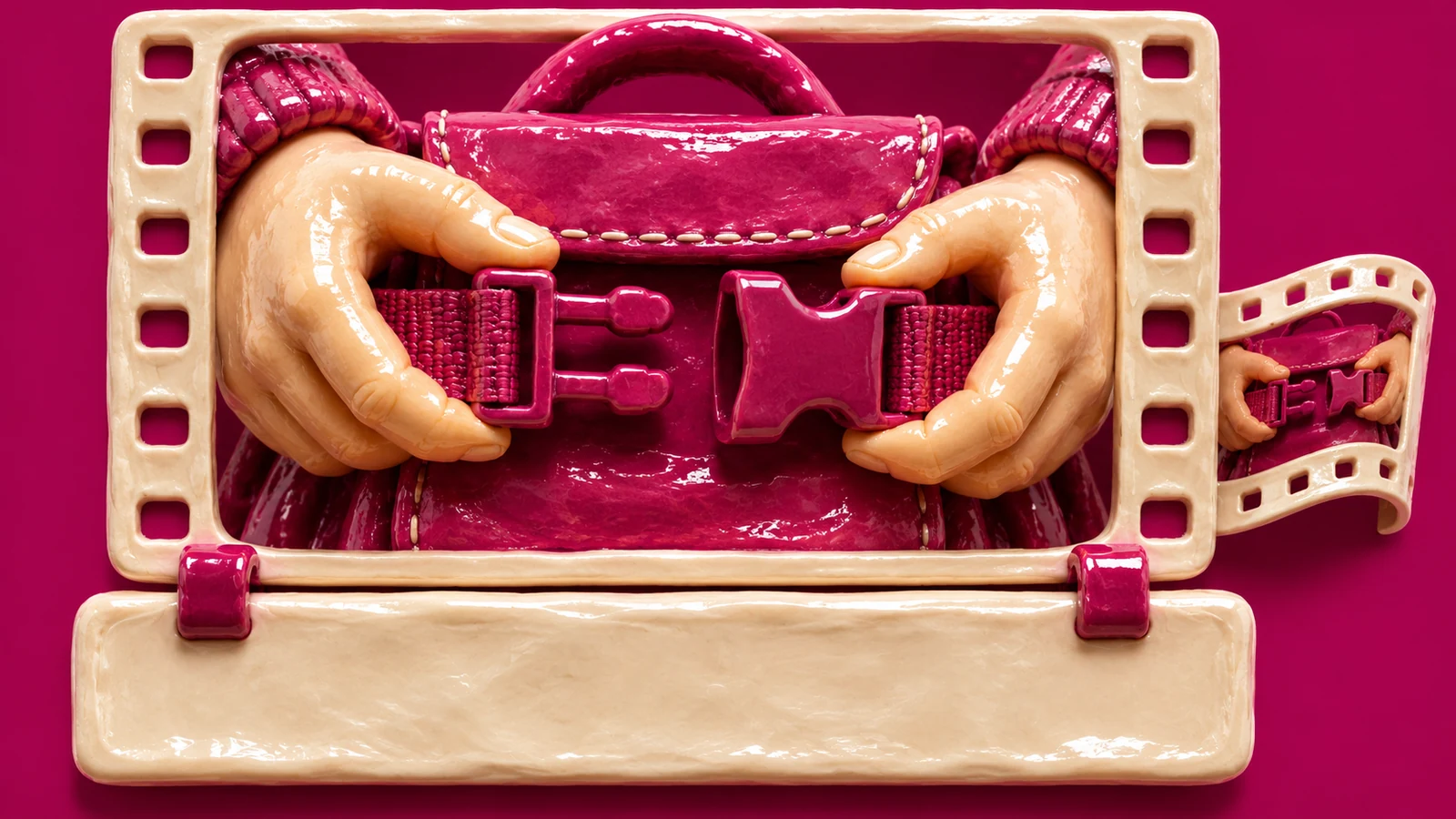
"Will It Blend?" puts the product's job inside a question. You know what action to watch for and what answer the demonstration owes you.
Tom Dickson was trying to break blenders to find their failure points. A new marketing director saw a video idea in that testing habit. In 2006, Dickson's team at Blendtec spent $50 on objects including golf balls and made five videos.
The essence of Will It Blend? is to prove to the world that this blender can blend literally anything.
Dickson describes what he wanted the series to demonstrate. The title's question keeps that demonstration central: the promised answer is whether the blender can do the job. For your ad, choose a product behaviour you can honestly show, then work back to the opening.
Pick the continuation before the opening
Dickson's blender testing suggests a way to find demonstration ideas: look at what your product is built to do. To practise, we'll use Cordlecloud Cable Kit, an invented set of reusable cable loops with hypothetical shots and metrics.
The demonstration shows a loop fastening around a coiled charging lead, then that lead being lifted from a bag. Write that continuation on the storyboard before proposing a hook. A line about recovering a whole hour each morning would require evidence this demonstration can't provide.
For openings in other formats, see how to write hooks. In this paid-feed exercise, keep the product action beside the opening line as you draft.
A production question before filming
Could a viewer see what the loop fastens around on a phone screen? Check a close-up before filming the rest of the bag sequence.
Mindful Digest, this lesson
Use the first frame as part of the sentence
Write a camera instruction beside each candidate. "This little loop keeps the coil together" needs the loop close enough to see. A wide office shot could leave viewers searching for the object you mean.
Google's ABCD guidance recommends jumping into the action and using tight framing. For Cordlecloud, test whether fingers fastening the loop remain legible on an ordinary phone screen.




Use ordinary conditions the product can actually handle.
Production checks for the cable demonstration
Keep the same cable and bag contents across the loose and wrapped shots. Make the fastening action visible at phone size. Record what is in the bag so the next version can use the same conditions.
Every opening leads to the loop fastening around a cable, then the cable lifting from the bag.
Try the opening with sound off. If the picture makes the object clear, captions can supply the condition or benefit that needs words. Listen separately to catch a line that's hard to follow when spoken.
Replace broad drama with specific relevance
Imagine a draft that starts with a coffee cup falling off a desk. Viewers may wait for the splash while the cable kit remains unseen. To investigate that possibility, ask reviewers what they remember before explaining your intent.
A hypothetical hook with a deliverable promise
Broad suspense
This secret will completely change your mornings.
Specific continuation
Wrap the charger before it meets the rest of your bag.
Next shot: fingers fasten the loop around the coiled charging lead before lowering it into the bag.
Chapter 5 of Scientific Advertising recommends selecting interested readers and warns that clever openings can attract unsuitable attention. That's historical practitioner advice. Apply it by checking whether the expectation your opening creates leads into the actual product demonstration.
For Blendtec, the founder's stated purpose keeps the demonstration tied to blender capability. Your cable ad needs the same clear connection between the thing viewers watch and the offer you're asking them to consider.
Check how soon the proposition becomes clear
TikTok's creative guidance recommends introducing the proposition within the first three seconds and prioritising the hook within the first six. These platform recommendations give you a starting point to test in your campaign.
Pause Cordlecloud's opening before the next shot and ask what the product does. If the answer needs a later explanation, move the clearest action or caption earlier. Google's guidance also recommends bringing in the brand or product from the start.
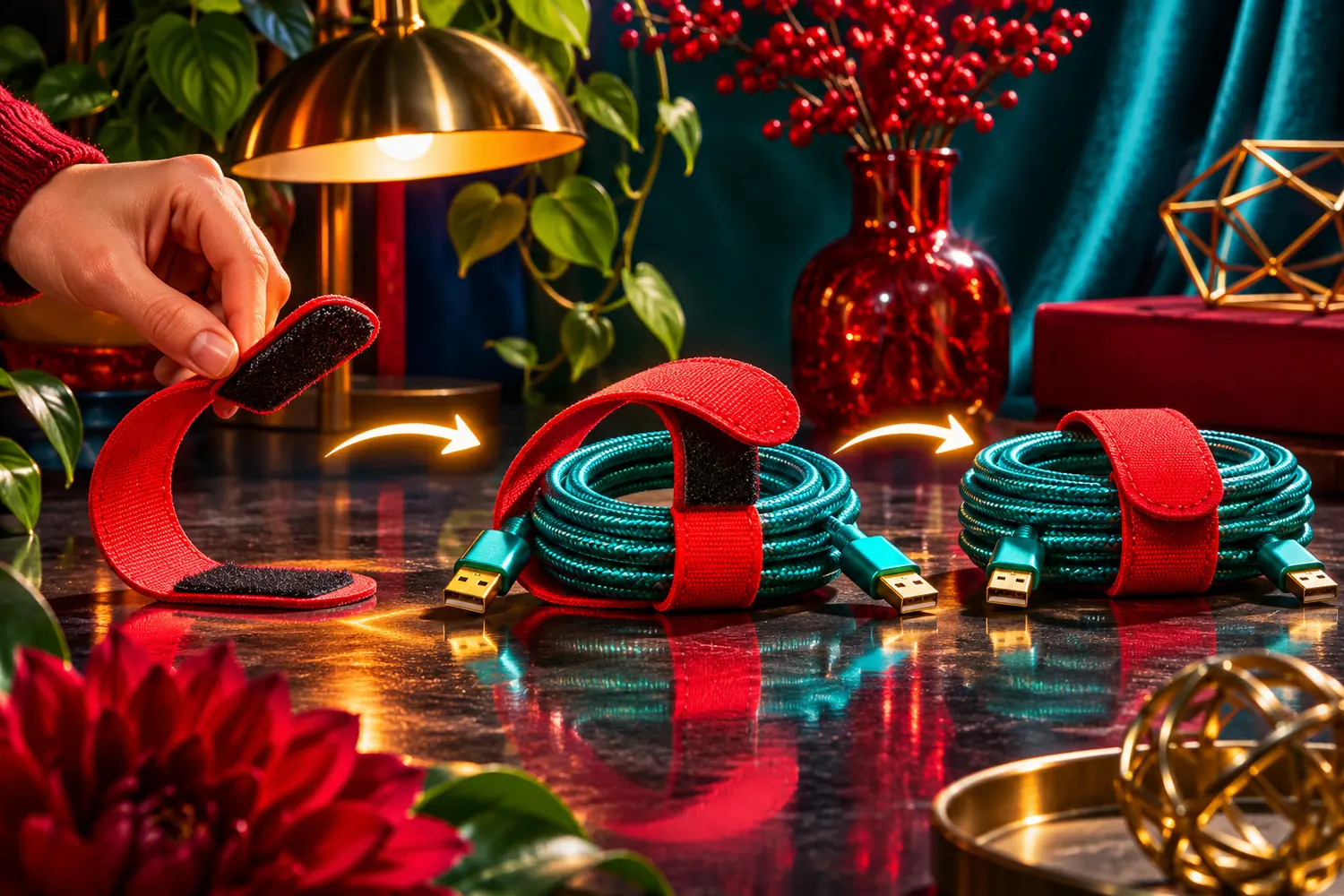
Connect the first frame to the next beat
Write four opening units for one fixed demonstration. Each needs a frame description and a spoken or captioned line. Use this sheet to check which product action each one makes the viewer expect:
Four hypothetical Cordlecloud openings
Recognizable annoyance
The charger came out. So did every other cable.
Frame: one lead brings a loose tangle with it. Continue directly to the reusable loop demonstration.
Outcome in view
Pack a cable you can pull out on its own.
Frame: a coiled lead lifts cleanly from the bag. Show the loop close-up next.
Mechanism first
This little loop keeps the coil together.
Frame: fingers fasten the loop around the cable. The benefit is visible without a dramatic setup.
Show more
A relevant comparison
Loose in the bag, or wrapped before you go?
Frame: the same lead shown loose and then coiled. Keep the comparison conditions honest.
Run a small review before buying attention
Show the opening once in a mock feed to colleagues who haven't worked on it. Ask what object they noticed and what they expect to see next. Record their answers before discussing the ad.
A practical opening review
Show it once
Play the opening in a feed-like context at ordinary phone size. Do not explain the product first.
Ask for recall
What object or situation did you notice? What do you think the ad is offering?
Check the expectation
What would you expect to see next? Compare that answer with the actual next beat.
Revise the mismatch
Change the frame, line, or continuation according to the misunderstanding. Record the revision.
If everyone describes a falling cup, replace that shot with the product action and repeat the review. Their answers can reveal a misunderstanding; campaign evidence is still needed to judge business performance.
In this invented review, the annoyance opening drew a laugh, but two viewers thought the ad sold charging cables. Every viewer named the loop after the mechanism-first opening, so that one goes forward.
Two viewers couldn't see what the fingers fastened. Mark a tighter close-up on the loop in the storyboard, then repeat the review with that shot.
How should you measure hook rate?
Define the viewing event and denominator next to every reported percentage. If your local measure is three-second plays divided by impressions, 240 qualifying plays from 1,000 impressions gives 24%. This is invented arithmetic, with no target benchmark attached.
An impression counts an event, so the total can include repeated exposure to the same person. Save the platform's definition too. Percentages from different counting methods need care before comparison.
In a 2013 company Q&A, Dickson said the five Will It Blend? videos received six million YouTube views in six days. That viewing figure leaves the sales question open. For your campaign, name the business action you'll inspect alongside early viewing before spending on the test.
A hypothetical hook test record
- 1Question: does the fit-and-pull demonstration attract more relevant attention than the loose-cable annoyance?
- 2Change: opening frame and line; hold the middle demonstration and destination fixed.
- 3Attention measure: named view event divided by impressions, with the platform definition saved.
- 4Business measure: purchases or another defined qualified action, compared with its cost.
- 5Decision note: use the agreed experiment design and evidence threshold; do not stop at the first favorable fluctuation.
Make variations answer the next decision
Compare openings with different reasons to watch, such as seeing an annoyance resolved or inspecting the fastening mechanism. Keep the middle demonstration and destination fixed if the opening is the change you're investigating. The research-to-ad matrix helps you choose those angles.
The short-video script lesson connects the opening to a full film. Where the platform offers a suitable controlled test, plan the outcome and sample before launch. Ordinary delivery can show versions to different audiences, limiting what its rankings tell you about the opening alone.
Use the A/B testing lesson to plan that comparison. Keep the offer's claim and destination in the ad copywriting brief alongside the storyboard.
Keep the review responses beside the storyboard and record the filming conditions for your comparison. The Advertising lessons can help you develop the rest of the campaign.
The selected opening is "This little loop keeps the coil together," paired with the tighter close-up marked during review. Follow it with the lead lifting from the bag, so the next shot shows the benefit the line promises. Recheck that viewers can see what the loop fastens around.
Read next
Lesson 4 of 6 in Advertising
Sources & further reading
- Creative best practices for performance ads
- About the ABCDs of effective video ads
- Scientific Advertising
- Q&A with Tom Dickson - Part 2