Advertising
How to Turn Pain Points and Desires Into Ads
Turn a customer observation into an ad by connecting the situation and desired outcome to something the product can honestly do. Keep the observation separate from your interpretation, and identify evidence for the connection. Build angles around different reasons to buy, then write openings and demonstrations that support each argument.
By the end of this lesson
Build three distinct ad angles from customer observations and connect each to a product mechanism, evidence, and a testable ad.
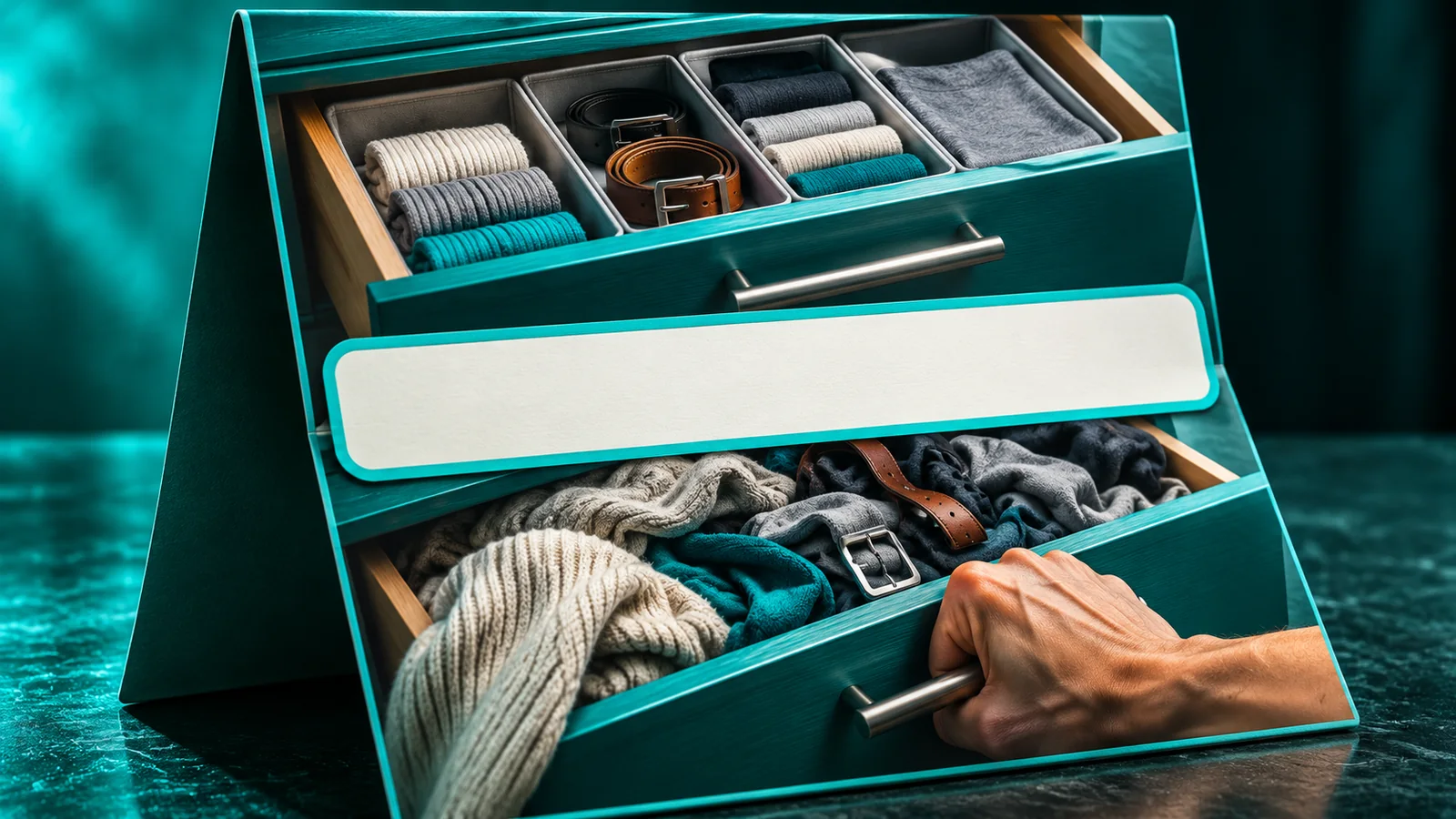
At her kitchen desk, Lucinda reads a note about a woman who clears paperwork from the dinner table, then loses track of where she put it. Beside that note, the creative brief says, "People want less stress."
We'll use Lucinda and Brindlebrook Desk Tray as an invented example. The tray has removable compartments and two carrying handles; every customer observation and product capability in this exercise is fictional.
Lucinda draws a line from the dinner-table note to the handles on the product sketch. She can imagine showing someone move the paperwork together, though she'll need to check the loaded tray before writing a carrying claim.
Keep the observation separate from your interpretation
The note describes an episode: work gets moved for dinner, and finding it again is difficult. "Overwhelmed parent" would add a personal explanation the note doesn't establish.
Keep the original account beside your interpretation. Lucinda labels "wants to move work together" as an inference and leaves a question next to it: where does the paperwork go when the table is cleared?
The Copyhackers advertising workbook separates pains and aspirations from objections and wants. That helps you assign each observation a job: a desire may suggest the appeal, while a fit objection may require dimensions near the order button.
Use the voice-of-customer research lesson to preserve the source and context. If you can't recover the original account, check it before turning the team's interpretation into advertising.
Brindlebrook research notes
Shared-table routine
Participant A: I stack my papers somewhere else before dinner, then rebuild the pile in the morning.
Small supplies
Participant B: The stapler and charging cable disappear under whatever I am working on.
Fit uncertainty
Participant C: I would want to measure it against the shelf before buying.
Each note points to a different question about moving or storing the tray.
Ask for an episode before asking for a preference
Ask about the last time the person cleared the table. Where did they put the papers, and what happened when they needed them again?
GOV.UK's in-depth interview guidance recommends open, neutral questions about actual experiences. Give people room to describe their workaround before suggesting that a tray could help.
Someone already using a baking tray might want compartments. Someone with nowhere to store a loaded tray may need a different solution; ask about that destination before assuming carrying handles address the whole problem.
Lucinda asks Participant A where the paperwork goes. In this fictional follow-up, it lands on a shelf, while the stapler and cable go into a drawer. Moving the papers together would still leave supplies to find in the morning.
She adds the supplies to her dinner-table row. She also records the shelf as the destination to measure: the handles address carrying, while the loaded tray still needs somewhere to go.
A few interviews can suggest an angle. To claim that the situation is common across a market, you'd need evidence about how representative those accounts are.
Build the bridge from situation to product
An angle is the main reason your ad gives someone to consider the offer. A hook introduces that reason; changing the hook's wording can leave the underlying argument exactly the same.
Lucinda gives each possible angle a row. She records the observed situation, then connects the desired outcome to a product capability and the evidence needed to support it.
For the dinner-table row, the handles suggest a way to carry work off the table together. A loaded-tray demonstration can show that action; a measured time-saving claim would need separate evidence.


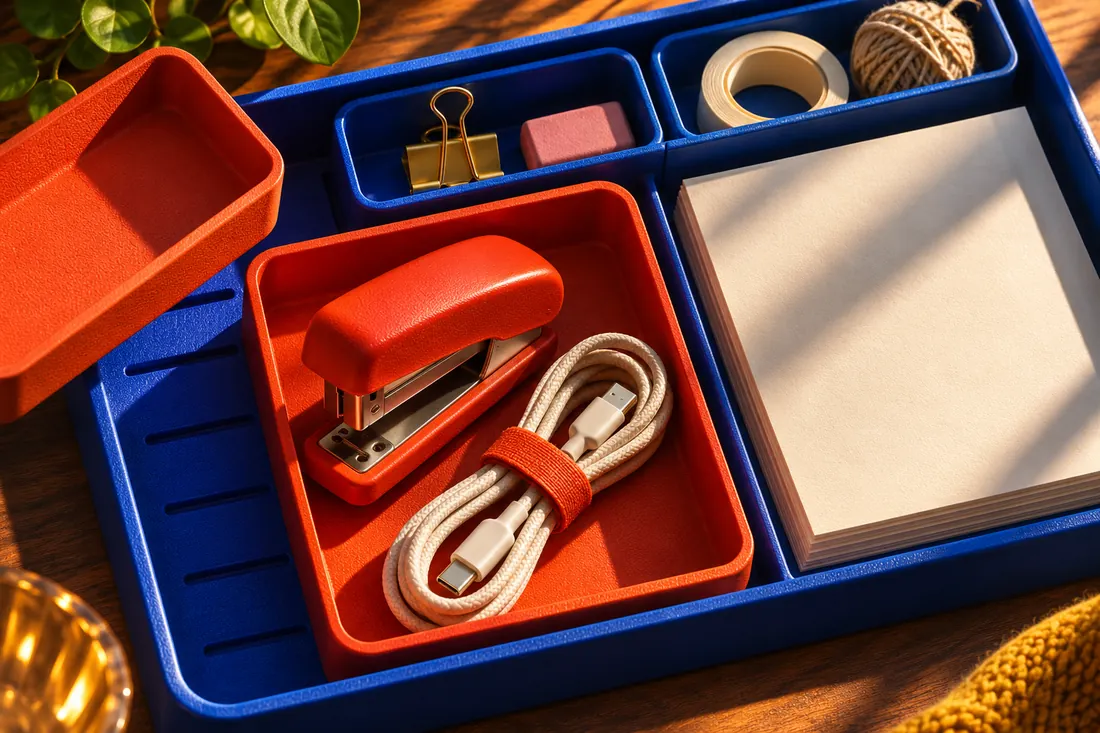

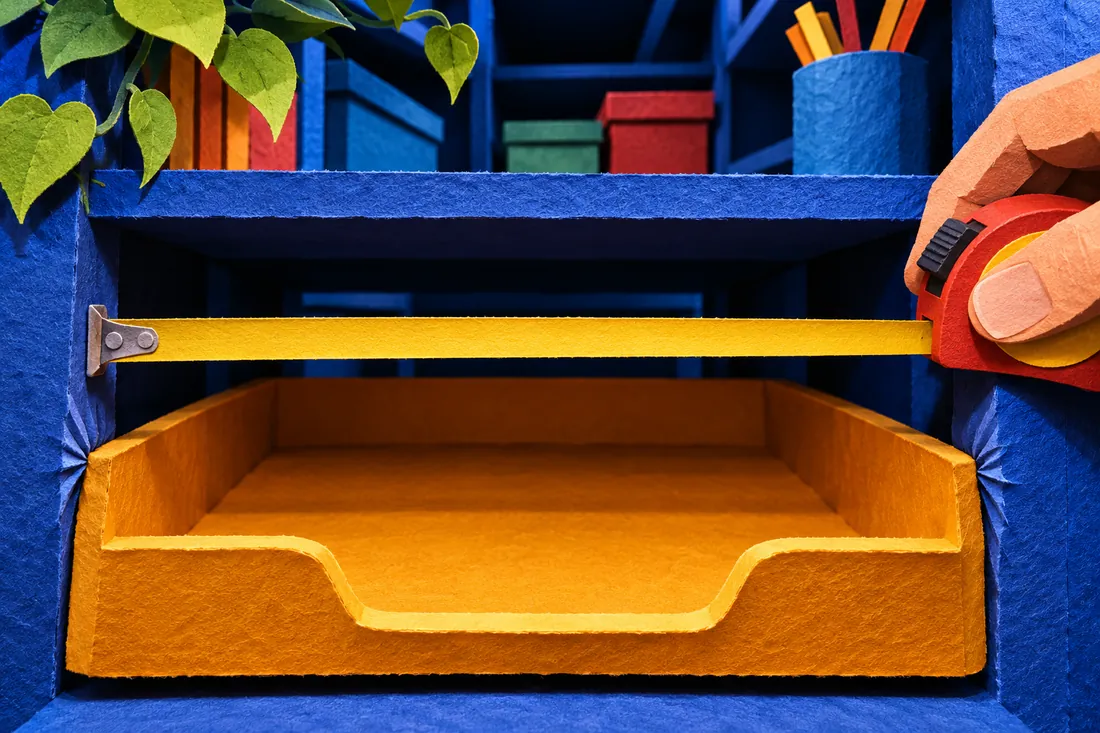
Let each new detail change a row only when the product can address it.
How a follow-up answer changes the angle
The dinner-table account suggests carrying papers. Learning that supplies end up elsewhere broadens the job to moving a work setup. The shelf question adds a fit check before purchase.
Follow-up questions give the three rows different jobs.
| Situation | Desired outcome | Product mechanism | Evidence to prepare | Ad opening |
|---|---|---|---|---|
| Work occupies the dinner table | Carry the setup off the table together | Handles and a contained surface | Continuous shot with a supported load; keep all papers visible throughout | "Dinner needs the table. Carry your work to the shelf." |
| Supplies disappear under papers | Give small tools a place | Removable compartments | Overhead view of the actual layout | "Keep the cable in its own compartment." |
| Shopper is unsure about shelf fit | Check the storage space | Published external dimensions | Measurements at the outer edges and a shelf-measuring guide | "Measure the shelf before you choose the tray." |
The shelf-fit row answers an objection. It may belong in an ad for someone already considering the product; ask those shoppers what stopped their decision before choosing that audience.
Write three ads that make different arguments
Lucinda leads the dinner-table ad with the moment work has to move. The follow-up answer gives her a reason to include papers and supplies in the promise.
Carry your work off the table when it's time for dinner. Brindlebrook holds papers and supplies on one surface, with handles for carrying the tray to a shelf. Check the dimensions and handling guidance before ordering.
The headline is "Make room for dinner." The ad addresses a shared table and a daily interruption, giving this angle a specific setting and reason to move the work.
The supplies angle addresses finding tools during work, so she leads with the cable's place on the tray.
Keep the charging cable in its own compartment. Arrange Brindlebrook's removable compartments around the supplies you use, with papers beside them on the tray. See the compartment layout before you choose.
She uses "Give small tools a home" as the headline. This ad can speak to someone whose tools disappear under papers even when their work stays on one desk.
For the fit angle, she addresses the question that could stop an otherwise interested shopper from ordering.
Check where the tray will go when work is finished. Compare Brindlebrook's external dimensions with your shelf before ordering.
The headline is "Check the fit first." Lucinda would choose this version if research showed that uncertainty about storage was holding otherwise interested shoppers back.
An angle change versus a wording change
Same argument, new phrasing
Clear the table for dinner. Make room for the evening meal.
Both argue for moving the work setup.
Different argument
Give small tools a home. Show removable compartments holding supplies.
Argues for an arrangement suited to small objects.
A new reason to buy calls for a demonstration of a different product action.
Give pain an honest amount of space
Lucinda's opening note gives her a practical inconvenience to address. She can show the search for paperwork without assigning the person a diagnosis or implying that an organizer will change their emotional health.
Review what the demonstration implies as carefully as what the copy states. A miserable actor becoming blissful after buying a tray could suggest a much larger benefit than moving papers off a table.
A pain-to-promise revision
Inflated pain and outcome
Stop letting your chaotic workspace steal your peace. Transform your life with Brindlebrook.
Specific friction and mechanism
Work shares the dinner table? Keep papers and small supplies on one tray, then carry it off the table when it's time for dinner.
The revision connects a familiar interruption to the tray's carrying function.
The FTC's advertising guidance covers express and implied claims and expects evidence before an ad runs. In your review, include the images and editing choices that create the overall impression.
Which ad angle should you test?
First check whether the research supports the situation and the product can address it. An angle that depends on an unverified feature needs a product check before it needs a media budget.
Choose candidates whose main reasons to buy differ. Keep the offer consistent where possible and record any creative changes required to show each argument fairly.
If Lucinda's fit ad leads to a measuring guide while the carrying ad leads to a demonstration, the destination changes too. Describe that comparison as a test of complete message paths; its result won't isolate the effect of the opening wording.
An angle is ready to draft when…
- The original observation and its context are recoverable.
- The desired outcome is an interpretation clearly separated from that observation.
- A real product capability connects the situation to the promise.
- The required proof exists or has a named owner and a review step.
- The ad and destination answer the same reader concern.
Decide which business outcome you'll measure before buying impressions. A fit-focused ad might attract a different mix of visitors; treat that as a hypothesis and examine what those visitors do after clicking.
Use the ad-hook lesson to develop openings and the A/B testing lesson to plan the comparison. Carry the evidence requirements into your ad copywriting brief so the final creative is checked against the same claim.
Build angles from three observations
Choose sourced observations about one audience. Put each in a matrix with the product capability that could address it, keeping interpretations visibly separate from customer accounts.
Draft a complete short ad for each row. If you only have guesses, use the rows to prepare interview questions before treating them as customer knowledge.

Save the matrix with source references and an owner for each missing check. Bring two distinct candidates to the creative review for your Advertising work.
Lucinda replaces "People want less stress" with the dinner-table observation and its follow-up: papers go to the shelf, supplies to the drawer. Her brief now asks the ad to show them moving together, with the shelf-fit check beside it.
Read next

Lesson 5 of 6 in Advertising
Sources & further reading
- 10x Facebook Ads Course Workbook
- Using in-depth interviews
- Advertising FAQ's: A Guide for Small Business