Headlines
Headline Formulas and Why They Work
Headline formulas arrange a supported promise into a recognizable structure. Start with the reader's task and the offer's actual facts, then try structures that express different reasons to continue. Check the obligations each version creates, including any numbers or comparisons, and write the opening paragraph to see whether the page delivers.
By the end of this lesson
Draft six headlines across three structures from the same product facts and identify the obligation each promise creates.

They laughed when I sat down at the piano. But when I started to play...
John Caples wrote that headline for a US School of Music ad in the 1920s. The Advertising Hall of Fame says it first ran in Physical Culture magazine, drew a record coupon response and was widely imitated.
The unfinished performance gives you a curiosity pattern to study. Borrowing its shape creates an obligation: the page has to deliver the answer that made someone read on.
Start with ingredients the brackets cannot invent
Ezra and Fablefern Workshop, the online class he writes for, are invented. A sticky note on his monitor reads "Get [result] without [annoyance]." His draft promises "perfect projects without the stress."
The class teaches a first wooden shelf using a printable cutting plan and tool list, with a hand-saw demonstration. Ezra needs a headline that gives a beginner a reason to consider that class.
Ezra can try the piano ad's curiosity pattern alongside more direct promises. Each draft needs to fit what the class actually teaches.
Before drafting, Ezra records the reader's task and the class contents, then the objection it can honestly answer. He marks assumptions that need research, including whether beginners want help choosing tools or using the ones they own.
Copyhackers' formula collection presents headline patterns as writing tools tied to research. A template with a blank for a time period still needs a fact behind it, because "in one afternoon" is a claim about completion time.
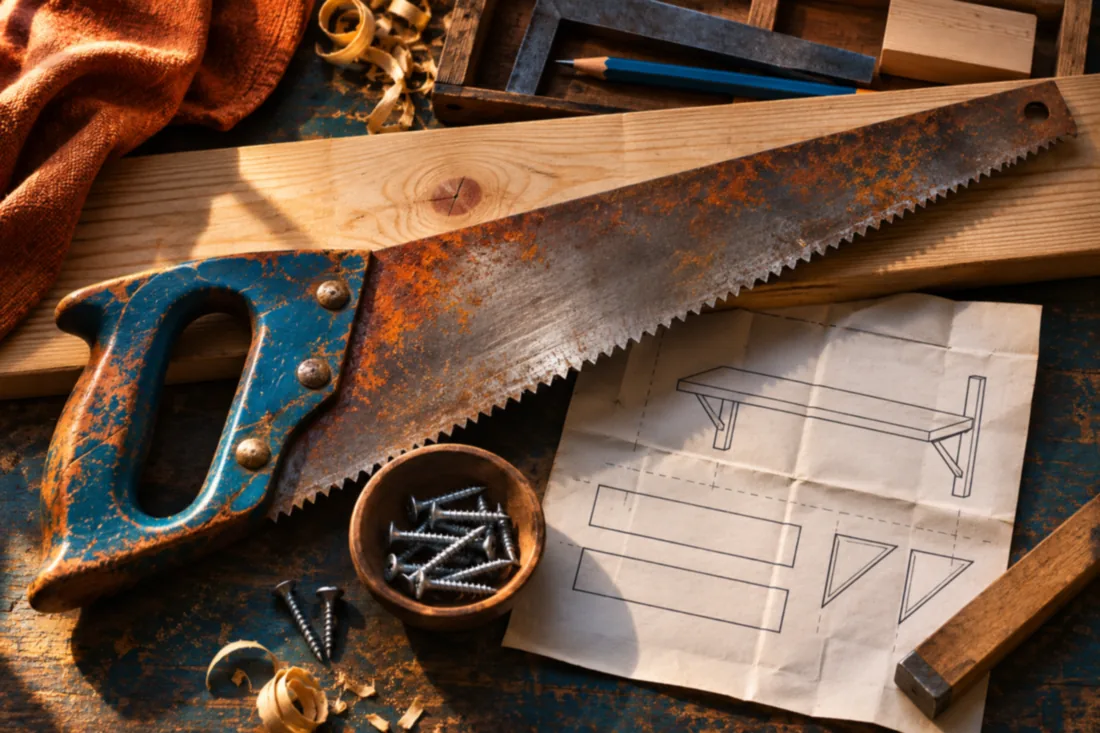

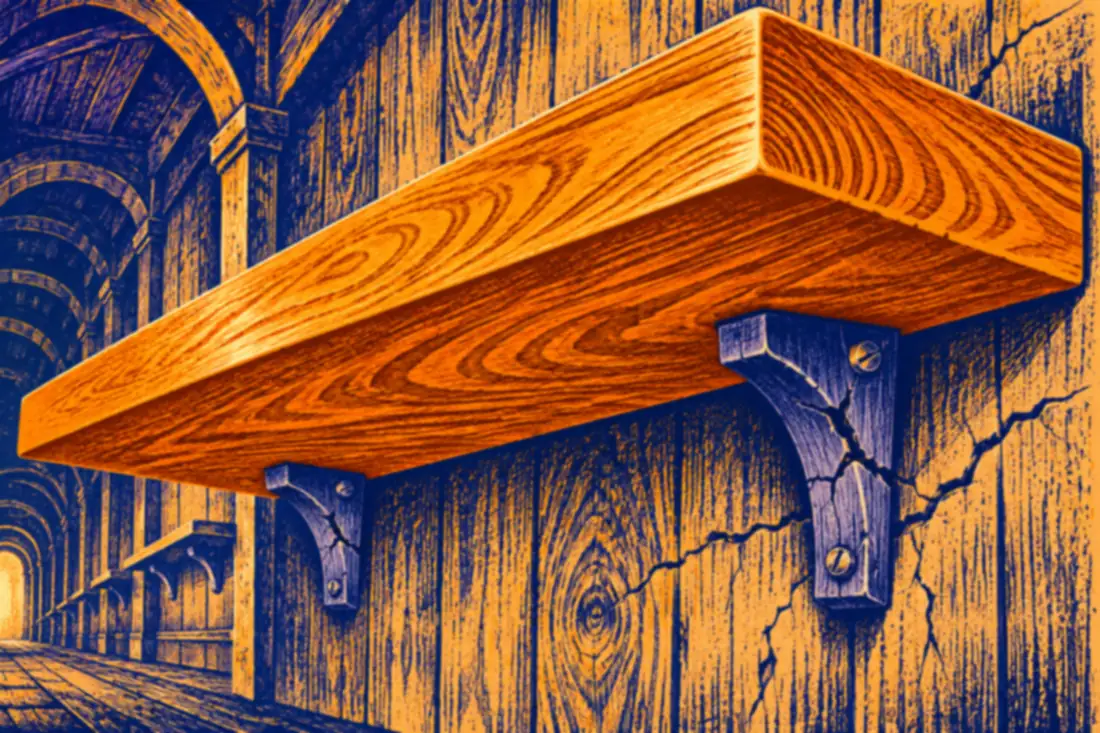

Fill the structure with offer facts, and keep the promise the same size.
A formula cannot supply the workshop facts
The hand-saw kit can carry a line about skipping a power-saw purchase. The flawless finished shelf has no source anywhere in the class, so no headline gets to promise it, however neatly it fits the brackets.
This hypothetical example shows a formula shaping a draft and has no measured results behind it.
Ezra keeps the supported equipment claim beside the questions he still needs to investigate.
Ingredients for the hypothetical workshop
- 1Reader: a first-time shelf maker choosing a manageable project.
- 2Offer: an online class with a cutting plan and tool list, plus a hand-saw demonstration.
- 3Method distinction: the demonstrated method doesn't need a power saw.
- 4Unknown: completion time, typical results and which equipment worry matters most.
Choose the page before choosing the structure: a paid class page needs enrolment terms, while a free preview must supply the promised guide. The broader headline-writing process covers building and choosing a shortlist. This lesson gives you several structures to try inside it.
The how-to formula offers a route
"How to [specific task]" promises instruction, so it suits tutorials, workshops and practical articles. Ezra tries "How to build your first shelf with a hand saw." Naming the task and the method makes it far more useful than "How to become a better maker."
The obligation is real instruction. A page with that headline has to help someone build the shelf, or say plainly that the class teaches it and what enrolment involves.
The formula weakens when its last noun is enormous. "How to master woodworking" asks a small class to carry a whole apprenticeship. I'd take the plain shelf headline over "The ultimate guide to woodworking success."
Outcome plus mechanism makes the promise easier to inspect
"[Outcome] with [specific mechanism]" links a result to the thing that makes it possible. Ezra writes "Plan your first shelf with a printable cutting guide." It promises less than a finished shelf and says exactly what the reader gets, so it might suit a free preview of the plan.
The mechanism can be plain. A cutting guide is enough, and calling it the "Precision Shelf System" adds a name with no new information.
The "Being Specific" chapter of Scientific Advertising argues for concrete selling claims. Treat that as historical practitioner advice when you revise; you'd need relevant evidence to predict a sales effect.
It still hands Ezra a useful question: which words let the reader picture what arrives? Benefit-driven headlines shows how to connect that detail to an outcome without stretching the evidence.
The without formula answers a cost objection
"[Do the task] without [unwanted requirement]" deals with something that makes a task feel expensive or hard. This is the formula on Ezra's sticky note. "Build your first shelf without buying a power saw" fits the demonstration, because it names one expense the method avoids.
The second half has to describe a requirement you actually remove. A hand-saw class still needs equipment, materials and physical work. "Without tools" would wrongly exclude the hand saw itself.
Hypothetical formula repair
The template overreaches
Build perfect shelves without tools or experience.
The offer can support this
Build your first shelf without buying a power saw.
Name the particular obstacle removed. Keep the work and any remaining requirements visible in the supporting copy.
Check, too, whether the objection belongs to this audience. Someone who already owns a power saw may find the headline irrelevant, and that tells you who the line selects. A headline that draws fewer, better-matched readers can serve the brief well.
What does a numbered headline promise?
"[Number] [things] for [task]" offers a collection with edges. "Five checks before cutting your first shelf board" tells readers the subject and the scope at once. The number organises the material and says nothing about whether the advice is any good.
Build the list before you choose the number. If Ezra's outline holds four distinct checks and one repeated warning, the headline says four. Padding a list to reach seven makes the reader wade through the extra item.
A numbered collection fits poorly around a single argument. If the article explains why measuring from an uneven wall causes a fit problem, "Nine secrets of a perfect shelf" would chop that point up and hide it.
Give a question a specific answer
Fablefern might ask, "Does your shelf rock before you fasten it?" The troubleshooting explanation would then need to cover what the wobble might mean and what to check.
"Want a beautiful home?" gives a beginner little help diagnosing a shelf problem. A direct instruction could be clearer: "Check uneven contact points before fastening a shelf."
Watch for questions that smuggle in an accusation. "Why are you still making this dangerous mistake?" assumes an error and a danger you may never have established.
Caples's piano headline withholds the performance's outcome. Ezra could try a question that withholds an explanation: "Why doesn't this shelf project need a power saw?" The next paragraph must explain the hand-saw method.
For that approach, curiosity gaps without clickbait covers how to hold back an answer fairly.
Contrast helps someone distinguish options
"[Option A] or [option B]: [decision criterion]" suits comparison content. "Hand saw or power saw: what this first-shelf project requires" puts the decision in plain view. The article then lays out what each tool needs in equipment and working space, and which one the class teaches.
"Forget everything you know about shelves" compares nothing. A beginner deciding between buying a power saw and working with a hand saw needs to know which equipment the project requires. Ezra's comparison should list those requirements and identify the method taught in the class.
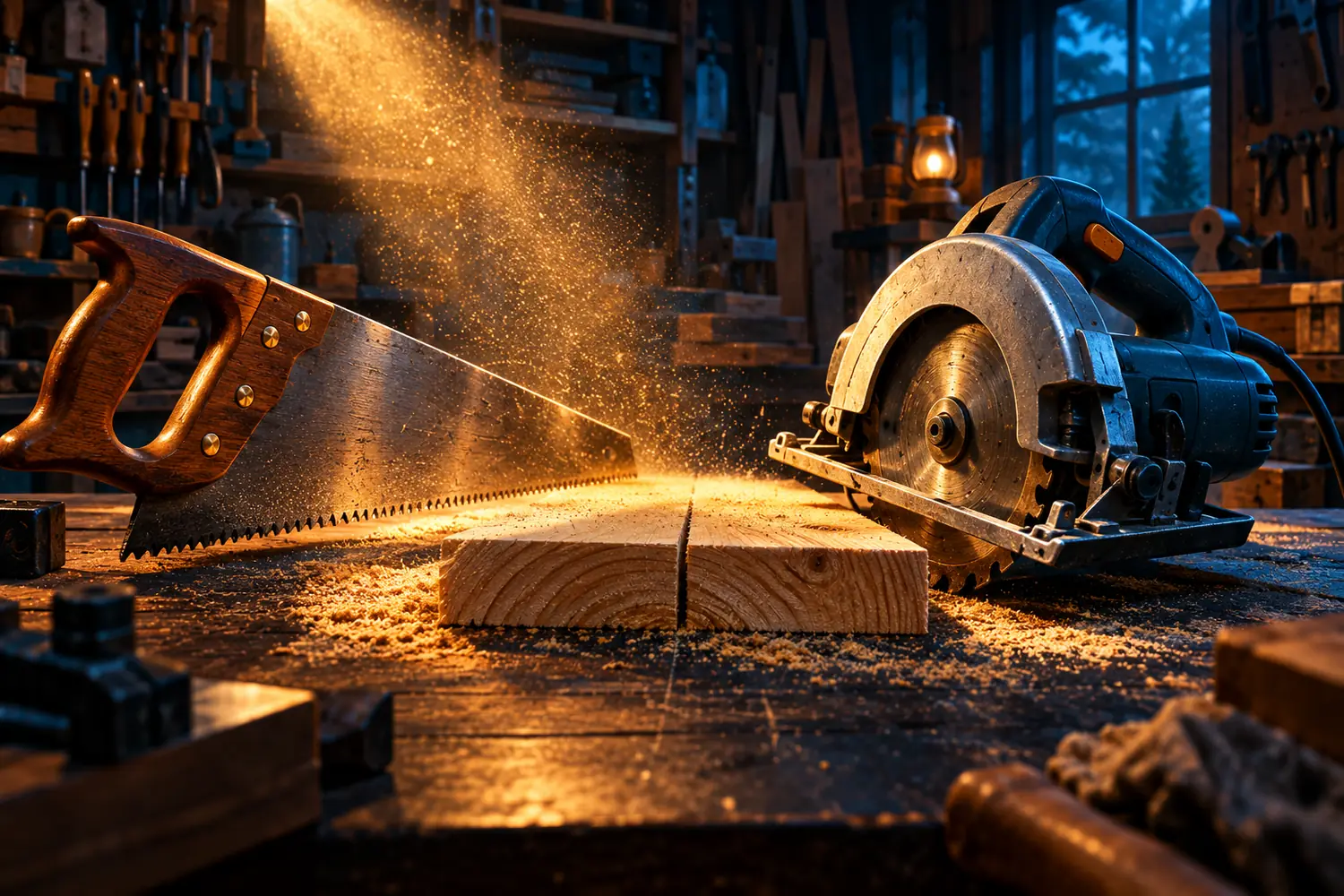
Nielsen Norman Group recommends headlines that stay descriptive outside their original context. If Ezra's comparison appeared alone in search results, a reader should know which tool decision the page helps with. "The old way is over" would leave them guessing.
Check each draft against its page
A paid class page
Build your first shelf without buying a power saw
Show the enrolment terms and the equipment still required.
A free preview
Plan your first shelf with a printable cutting guide
Make the promised guide available at the next step.
An unsupported promise
Perfect shelves in one afternoon
Hold this draft until you have evidence for the result and the time.
Remove the scaffolding before you publish
Read the draft without glancing at the formula. If "Now you can" or "discover how" came with the template, try removing it and check whether the offer is easier to understand.
Next, write the first paragraph that would sit under each finalist. A how-to line should lead into instruction or a clear teaching offer, and a comparison should lead into decision criteria. If the paragraph feels like a change of subject, the headline is promising the wrong page.
The catalogue of copywriting hook types offers other ways in when a familiar sentence shape feels forced.
Check the formula's hidden obligations
Do
- Verify any time periods, quantities, exclusions and comparisons.
- Match the page to the kind of help the headline promises.
Avoid
- Add a result because the template has a blank for it.
- Call a construction proven when you have no relevant test evidence.
For the larger argument under the headline, copywriting formulas help you plan how the page will back up its promise.
Compare the arguments inside the brackets
Start with one reader task and the facts your offer supports. Draft two headlines in each of three structures, then write a first paragraph under two of them so you can judge each promise in context.
Circle every number, outcome, exclusion and comparison, and write the supporting fact beside each one. Narrow anything you can't support, then browse Headlines for the next step in the sequence.
Ezra crosses out "perfect projects without the stress" on his sticky note. On the paid class page, the headline now sits above its first paragraph:
Build your first shelf without buying a power saw
This online class takes you through one wooden shelf with a printable cutting plan, a tool list and a hand-saw demonstration. You'll still need a hand saw, the boards on the list and time for careful cutting.
Read next
Lesson 2 of 7 in Headlines
Sources & further reading
- Every Copywriting Formula Ever (or The Ultimate Guide to No-Pain Copywriting)
- Being Specific
- Headings Are Pick-Up Lines: 5 Tips for Writing Headlines That Convert
- John Caples