Headlines
Curiosity Gaps Without Clickbait
An honest curiosity gap gives readers enough information to recognize the subject while leaving the explanation itself unresolved. Write the answer before the headline so the promise stays proportionate. Keep material conditions visible, and use the opening to begin delivering the answer rather than postponing it with another teaser.
By the end of this lesson
Build a curiosity headline and opening paragraph that establish relevance, preserve material conditions, and deliver a proportionate payoff.
The Sherwin Cody School of English asks whether you're making mistakes, then puts examples in front of you: a misspelling of "calendar" and the usage "between you and I."
The ad appears in the March 1926 issue of The Elks Magazine. You can start checking your English without leaving the page. When you edit a teaser, look for the sentence that lets your reader begin answering its question.
In our invented Crumbwhistle School example, Roswitha's headline reads "The secret mistake ruining every cake you bake." Beside it are photographs of the same quantity of batter in two pans, with a shallower layer in the wider one.
Her editor opens the linked article and asks, "Where does it explain what happens in the wider pan?" Roswitha points to a paragraph about kitchen confidence, then checks the rest of the draft. The explanation is missing, so the editor holds the newsletter for revision.
What makes a gap interesting?
The two photographs let a baker recognize a change: the same batter sits lower in a wider pan. Roswitha can name that change while leaving its effect on baking to the explanation.
In his 1994 review, George Loewenstein proposes that curiosity arises from a perceived gap in knowledge or understanding. The pan comparison gives a reader something specific to investigate: what does the shallower batter mean for the bake?
Write the reader's question before drafting the headline: "If I change pans, can I still follow the recipe's bake time?" It gives Roswitha a particular baker to help. Someone using the specified pan may have little reason to click.
Build the gap around the pan change
What the reader knows
- The same quantity of batter goes into a wider pan. A baker who has changed pans can recognize the situation.
What remains to explain
- The shallower layer raises a question about baking time. Leave that explanation for the opening.
Where the promise goes too far
- A claim about every cake goes beyond what the pan comparison can explain. Keep the question tied to the equipment change.
Reveal the subject before hiding the answer
Compare "Are you making this baking mistake?" with "Same batter, wider pan: why the bake time needs another look."
The second names the equipment change and the question it raises. A reader can decide whether that question belongs to their bake.
Making the mystery broader would leave the writer searching for an answer the pan comparison can't supply. The person who has changed pans already has a question this article can address.
Nielsen Norman Group calls the cues people use to judge a link's likely destination “information scent.” The relevant idea here is that the words around a link help someone decide whether the destination will answer their question. A headline that hides its topic gives them less to judge.
Use the headline lesson to explore alternatives with the pan still named. If a draft replaces it with a vague pronoun, ask an unfamiliar reader what subject they expect the article to cover.
Underline the words that identify the subject in each candidate. In "this baking mistake," there's no pan to underline. Restore that detail before spending another pass on how intriguing the line sounds.
Write the payoff before the teaser
Roswitha puts the proposed answer beside the photographs before trying another teaser. She needs to explain the baking consequence of the pan change before she can decide how much the headline should promise.
Roswitha replaces the confidence paragraph after checking King Arthur Baking's guidance on pan sizes. A larger pan makes the cake slimmer, and it can bake more quickly. That gives her an explanation for the headline's warning about the original bake time.
She shows the editor this comparison beside the photographs:
| What to compare | Narrower pan | Wider pan |
|---|---|---|
| Quantity of batter | Same quantity | Same quantity |
| Depth of batter | Deeper layer | Shallower layer |
| Timing implication | Starting comparison | Can bake more quickly; check recipe guidance |
Keep any timing adjustment recipe-specific. "Take ten minutes off the bake time" would introduce a number the comparison doesn't support, so Roswitha leaves it out.
The editor asks, "Does that justify a claim about every cake?" Roswitha crosses out "every" and names the pan change instead. The revised promise now has an answer the article can supply.
Use the opening lesson to put the explanation into the first paragraph. The draft below now names the change and explains why a baker should check the recipe guidance.
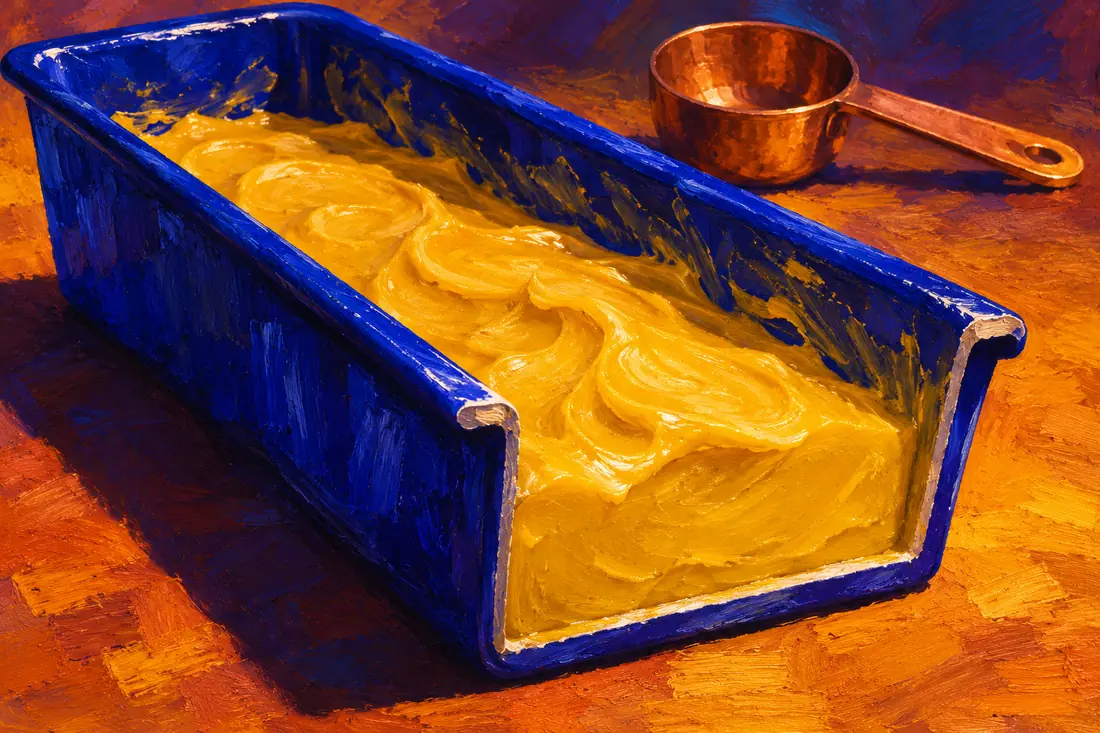

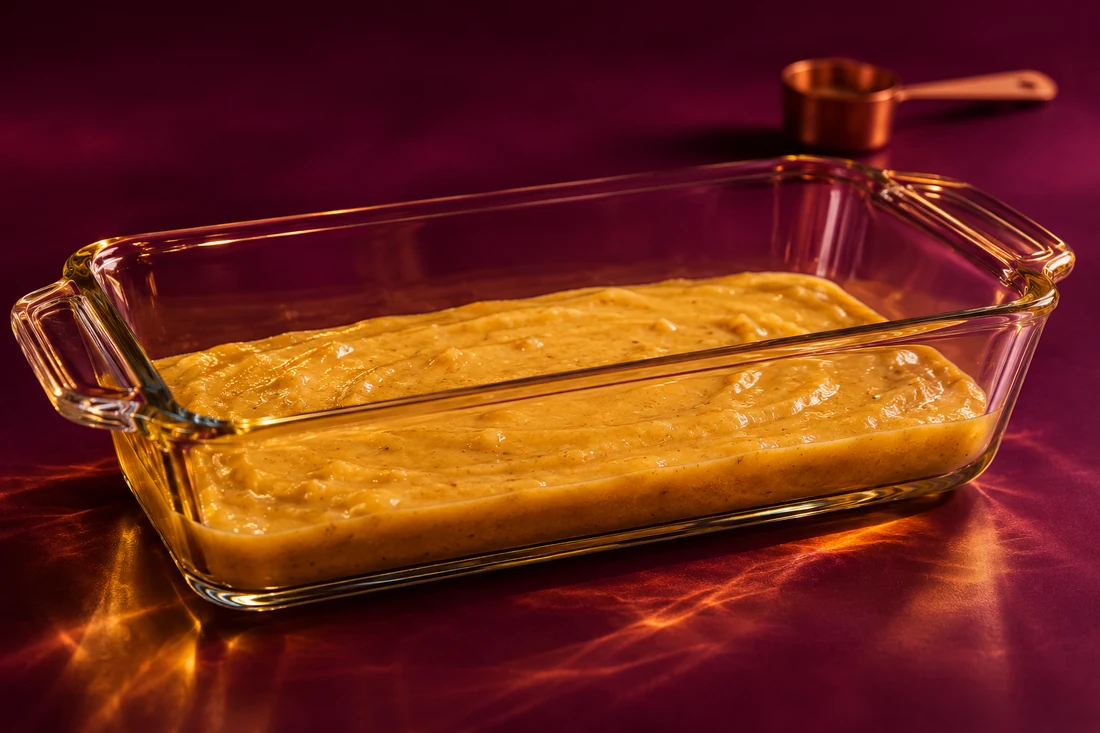

The comparison supplies a question to answer in the article.
Use the photographs as evidence
Label both photographs with the same quantity of batter, then identify the wider pan. Place the sentence about the slimmer cake beside that photograph so the reader can connect the visible change with its baking consequence.
The wider pan holds a shallower layer of the same quantity of batter.
The headline and payoff repaired together
Oversized mystery
The secret mistake ruining every cake you bake
A specific unresolved explanation
Same batter, wider pan: why the bake time needs another look
Opening: The same batter spreads into a shallower layer in a wider pan. A cake in a larger pan can bake more quickly, so check the recipe guidance before using its original bake time.
Keep the offer's conditions visible
Roswitha's newsletter also invites readers to a paid class. Put that invitation after the article's explanation, with the fee visible before the form. Under the US FTC's advertising guidance, review the reasonable impression of the invitation, including its implied claims.
Read the teaser and the invitation together. A button labelled "Continue learning" could mean more free pan advice or a paid class. Check which destination it opens before choosing the label.
“See the class fee and dates” would identify the paid next step while leaving the baking explanation in the article. Keep the pan advice available before that invitation, so clicking through to a sales page isn't required to get the promised answer.
What to leave unresolved
Do
- Name the recipe or equipment problem, then develop its cause.
- Make a paid offer recognizable before asking for a purchase decision.
Avoid
- Hide a price, requirement, or exclusion as if it were a storytelling reveal.
- Imply a universal fix when the article only offers a conditional check.
Preview the invitation with its image and button. If the image says "Free lesson" above the paid-class link, change that invitation before sending; a fee elsewhere on the page leaves the conflicting promise in place.

Close the gap where the reader expects it
The editor reads the revised opening immediately after the headline. "That answers the pan question," she says, then points to the school introduction still above the photographs. Roswitha moves it below the explanation before returning to the newsletter layout.
The introduction can now lead into the paid class after the reader has reached the answer. Read your own headline and opening together to check whether the first paragraph begins resolving the question you've raised.
Keep the photograph close to the relevant text. In a narrow-screen preview, check that its label still sits with the correct pan and the explanation follows it. Move a subscription request below that passage if it interrupts the answer.
Search captions and promotional copy for the removed claim about every cake. Replace any remaining occurrence with the specific pan question, then read those pieces in the newsletter layout.
Check what the reader understood
Show the repaired headline and opening to a reader who might use a different pan. Ask, "What would you check before baking this batter in the wider pan?" Keep the passage visible while they explain, so you can trace a misunderstanding to its wording.
If they say the cake will always bake faster, compare "will always" with "can" in the opening. If they propose a fixed reduction in baking time, ask which sentence supplied it. Revise the passage that led them there, keeping the adjustment recipe-specific.
If you later compare newsletter performance, agree on the question before reading the click counts. More clicks don't show that the article answered the baking question or that the reader understood the advice. Decide what further evidence you would need to investigate those outcomes.
The A/B testing lesson explains how to plan a controlled comparison when one is appropriate. Keep the reader's explanation beside the draft when deciding which wording is ready for that comparison.
Choose a fair curiosity gap
Put the payoff next to the headline
For your next draft, use the other lessons in Headlines to explore wording after you've written the explanation.
Put your headline, opening and supporting comparison on one page. Underline the sentence that begins answering the headline, then check that it preserves any condition the answer depends on.
Roswitha returns the repaired pair with the pan comparison beside it, as the Cody ad put examples beside its question. Her editor traces the promise to the opening's explanation, checks that the class invitation follows it, and marks the revision ready to send.
Read next
Lesson 4 of 7 in Headlines
Sources & further reading
- The Psychology of Curiosity: A Review and Reinterpretation
- Information Scent: How Users Decide Where to Go Next
- Advertising FAQ's: A Guide for Small Business
- The Elks Magazine, March 1926 (scan)
- Sherwin Cody