Ecommerce
How to Write Product Descriptions
Write product descriptions from verified facts and a buyer situation that explains why those details matter. Use concrete properties to help someone picture the item, then choose paragraphs, labeled facts, or specifications to suit the information. Keep limitations beside their claims and remove praise that adds no product detail.
By the end of this lesson
Write and fact-check a product description using concrete details, a relevant use scene, and a format suited to the product.
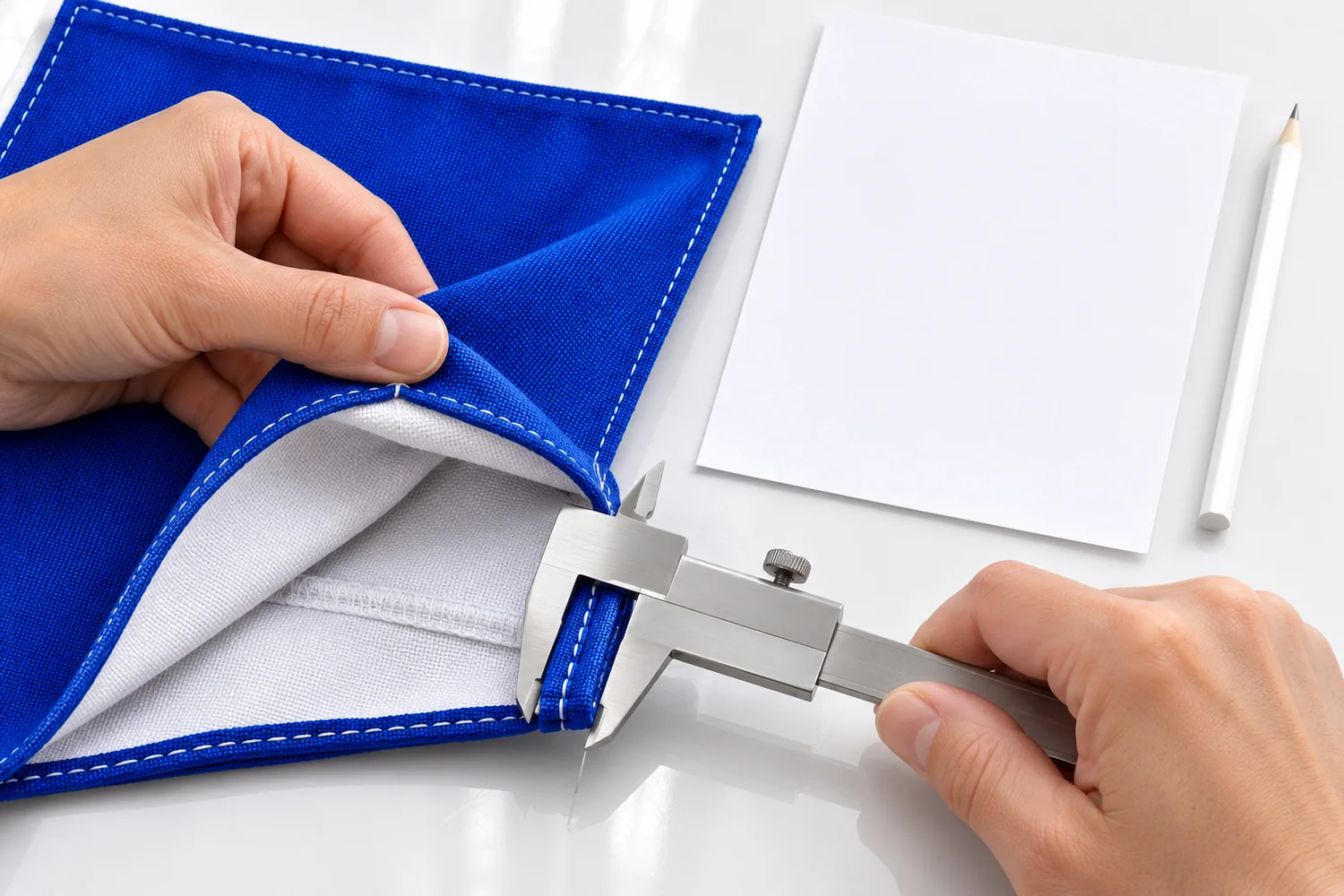
At her desk, Cosima holds a blue napkin to the window and notices a thicker thread in the weave. The supplier's draft says "Beautifully crafted for every occasion." She puts a second napkin in the washing machine and opens the product record.
Cosima and Threadburrow Table, the linen shop she writes for, are invented. Follow her from the sample at the window to a description a shopper can compare with the napkins already in their cupboard.
Handle the product before handling the language
Cosima can see the irregular threads in this sample. She records that observation separately from the supplier's material and care information so she can check each claim against the right source.
If you can inspect a production sample, compare it with the record. If you can't, request close-up photos and measurements, and put specific questions to the product owner before filling gaps with praise.
Don't paper over the gaps with "premium." That word is remarkably good at sounding finished while the research is still half done.
Cosima opens two columns in her notes: "Record says" and "Sample shows." She puts "100% linen" in the first and "visible thicker threads" in the second, then leaves the washed-size field empty while the machine runs.
Choose a buyer situation with an actual consequence
For the draft, Cosima chooses someone setting an everyday table who wants visible texture. She treats that as a working angle to check with customers.
Choose your angle from research when you have it. If buyers ask whether they can wash the napkins with their everyday tablecloths, lead with care. If they're matching a formal place setting, the uneven weave may rule these out.
For Cosima's table setting, care instructions affect how the napkins will be used after dinner. The dimensions also need a qualification because washing can change them.
Cosima crosses out "crisp, formal finish" in the supplier's notes. It would lead someone shopping for a smooth table setting toward the uneven cloth she's holding.
Keep the product record separate from observations
Product owner to verify
Pack contents and fiber composition.
Unwashed dimensions and the conditions attached to care instructions.
Writer to record
What is visible in the production sample.
Questions the sample cannot settle about other batches or repeated washing.
Ask the product owner to resolve discrepancies before drafting claims.
Keep the supplier's material claims separate from what the sample shows.
Move from a fact to a reason to care
Connect a product property to something the buyer can judge. Machine-wash instructions tell someone whether the item fits their care routine; pack quantity lets them work out how many places they can set.
Leave a straightforward fact alone when it already answers the question. Four napkins don't need an added promise about the emotional quality of dinner.
Nielsen Norman Group's product-description guidance recommends getting to the point. Its chocolate-listing example criticizes copy that tells shoppers little beyond the fact that cream chocolates have creamy centers.
Cosima removes the supplier's general praise and drafts the description from the record. She keeps the use scene short enough to leave the specifications easy to find.
From supplier praise to a complete description
Praise without a picture
Bring timeless elegance to every occasion with our luxurious, premium-quality napkins. An essential addition to any home.
A product someone can imagine using
Set the table for four with textured, machine-washable linen napkins whose thicker threads give the weave an uneven surface.
Put the specifications below the use description, with shrinkage beside size and care.
- Set: Four napkins.
- Material: 100% linen.
- Size before washing: Each napkin is 18 inches square; allow for up to 5% shrinkage with washing.
- Care: Cold gentle machine wash.
Use sensory language someone could check
"Textured" has a visible basis in the thicker threads Cosima noticed. Before choosing a touch word such as "silky," she'd need to establish whether it accurately describes the material someone will receive.
Use the same inspection for your draft. Identify the physical property behind a sensory term and check that your photograph and product record agree with it.
Go gently with touch and scent. People experience them differently, and a photograph can't prove either one. "Velvety" might describe a fabric surface, and it can mislead if it's only the name of a color.
A single wash won't establish durability or stain resistance across the range. Cosima can record what happens to this napkin, while keeping the approved description within the supplier's documented care limits.




Keep untested properties out of the approved product description.
Check what each sample can support
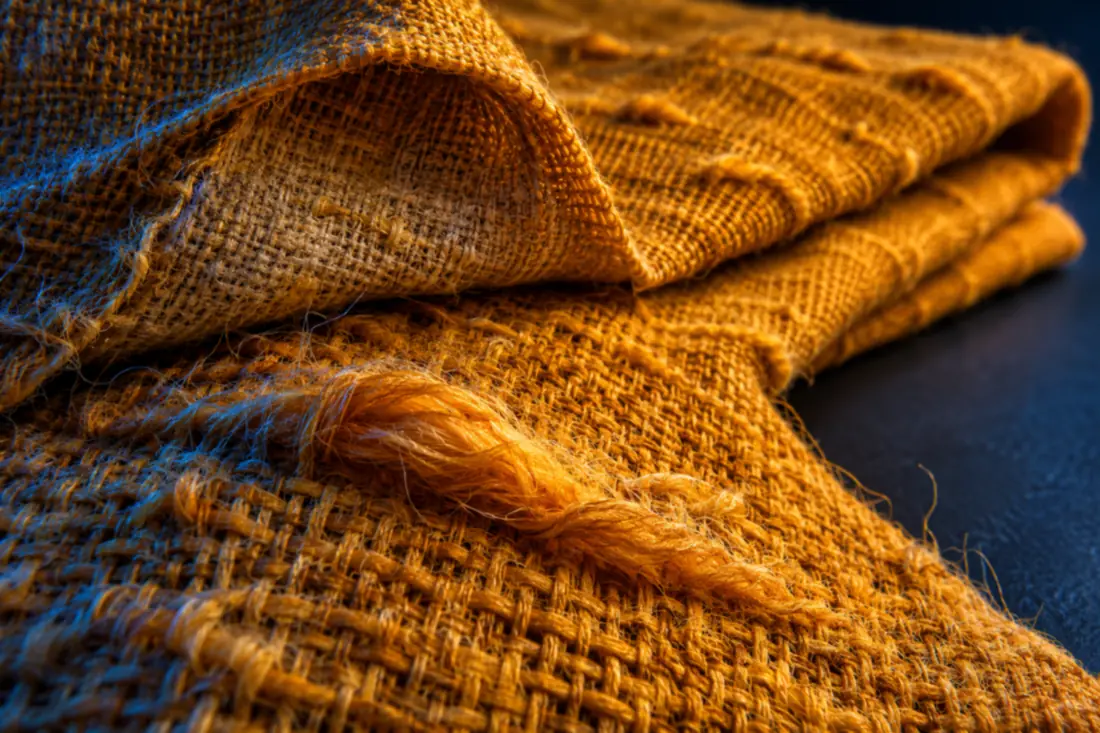
For each pictured material, record what you can inspect directly and what needs a separate test. Cosima keeps a blank field for the washed dimensions until the machine finishes.
Inspect the thicker threads before choosing the words that describe this weave.
Choose the container before polishing every sentence
Cosima puts the use description above labeled size and care information. A shopper comparing napkins can then find the dimensions without extracting them from a long account of dinner.
Use the complete product-page structure to place that description among the images and purchase information. Keep comparable fields in the same order across similar products.
Her second product record describes a linen-cotton set measuring 20 inches square before washing, with warm machine washing permitted. She gives both pages the same labels: "Material," "Size before washing" and "Care."
A shopper can now compare the 18-inch linen napkin with the 20-inch blend, then check whether cold gentle washing fits their laundry routine. Neither page needs to declare its napkin the better choice.
Where do a product's limits belong?
In the draft above, shrinkage sits beside dimensions and washing instructions. Moving it into a distant policy page would leave the size claim incomplete where shoppers are comparing products.
The FTC's advertising guidance explains that claims need support and that omitting material information can be deceptive. Apply that check to the impression your description creates, including qualifications lost during formatting.
When a variation matters, describe it plainly. Cosima can explain the uneven weave without asking "beautifully imperfect" to stand in for the actual property.
Adapt descriptions across channels carefully
Before exporting the description to a shopping feed, check the rules for that field. The Google Merchant Center specification recorded in this lesson's research separates product description from store policies and promotional information.
Keep Cosima's product facts in the description field and map delivery terms to their appropriate location. Review the export itself so nearby page content doesn't get pulled into a narrower field automatically.
For a catalog, keep an approved record for each product. Reuse the structure where it helps comparison and change the copy when the facts change.
Swapping "beautiful" for "stunning" across forty listings leaves the comparison unanswered. Record which set starts at 18 inches square and which at 20, then show cold gentle care beside the linen and warm washing beside the blend.
Edit by subtraction, then by sound
Cosima checks each descriptive word against the sample or record. You can do the same by marking anything that praises the item without helping a buyer picture it or judge its fit.
Read the finished description aloud, then compare it with the product title and the photographs. Use the product-page checklist to inspect the surrounding offer.
For example, if the title says "linen table napkins" and the description says only "table linens," restore "napkins." A photograph of a folded stack shouldn't leave someone wondering whether the listing includes a tablecloth.
Keep any qualification you need even when it makes the description longer. If a layout hides the care note, change the layout and inspect the rendered page again.
Write from a fact sheet
Choose one product from your Ecommerce work and gather its verified record. Draft a description for a particular use situation, keeping a source beside each factual claim in your working notes.
Ask a colleague to describe the item back to you without seeing its photograph. If they picture a smooth, pressed napkin, check whether your wording actually conveys the thicker threads Cosima saw at the window.
The washing machine clicks off, and Cosima dries the napkin according to the care card. For this invented example, it measures 17.5 inches along the side that began at 18; she fills in the washed-size field.
That sample result stays in her notes. The description keeps "18 inches square before washing" beside the supplier's allowance of up to 5% shrinkage, since one wash doesn't establish the size every shopper will receive.
Read next

Lesson 3 of 8 in Ecommerce
Sources & further reading
- 3 Tips for Better Product Descriptions on Websites
- Description [description] and structured description [structured_description]
- Advertising FAQ's: A Guide for Small Business