Frameworks
How to Edit Copy
Edit copy by checking the reader's decision and the argument before polishing sentences. Put the brief beside the draft, verify what each claim requires, and arrange information where readers need it. Once the meaning holds together, revise the wording and voice, then proofread and follow the actions in the finished setting.
By the end of this lesson
Revise a draft through ordered editing passes and explain which change fixes which reader problem.

Benjamin Franklin put the Spectator aside for a few days, leaving himself short hints from its essays. He then tried to rebuild a paper from those hints without consulting the book. Comparing his version with the original showed him faults he could correct.
He describes the exercise in Part One of his Autobiography. For copy, compare the promise in your revision with the brief and verified offer details. A sentence can sound better while becoming less accurate.
Then I compared my Spectator with the original, discovered some of my faults, and corrected them.
Put the brief beside the draft
Mossbutton is an invented clothing-repair service whose details and drafts are hypothetical. Its draft is ready for review, with a button that says "Book your perfect repair." The service hasn't inspected the reader's item yet.
The offer is a free repair estimate requested by submitting a photo, with no obligation to buy. Acceptance depends on the item, and no repair begins without approval. Pickup is limited to Brook Ward and West Ferry.
Save the original before editing. Then write down the decision the page needs to support: whether to submit a photo for assessment. Messaging hierarchy can help you plan the information that decision requires.
First pass: make the argument answer the decision
Read the draft without fixing individual words. Mark what each paragraph helps the reader decide. In this opening, the request at the end asks for more commitment than the service requires:
A brighter future for your wardrobe starts here.
We believe every garment has a story. Our team brings years of experience to the clothes you want to keep wearing.
Book your perfect repair today.
The reader still needs to know whether the item can be assessed and whether clicking means paying. Sketch the sequence in the margin: submit a photo, learn whether inspection is needed for an estimate, then decide whether to proceed.
Move company history into a holding document if it interrupts that explanation. You can review it later against the brief. This first pass should leave you with a page outline that follows the customer's decision.
Second pass: check what each claim would require
Compare the draft with operating terms and evidence. "Perfect repair" promises an outcome before the item has been inspected. Even "years of experience" needs support if it appears on a real service page.
The FTC's U.S. substantiation policy requires a reasonable basis for objective advertising claims before publication, including reasonable implied claims. For this editing pass, record what a reader could reasonably infer and the evidence you have for it.


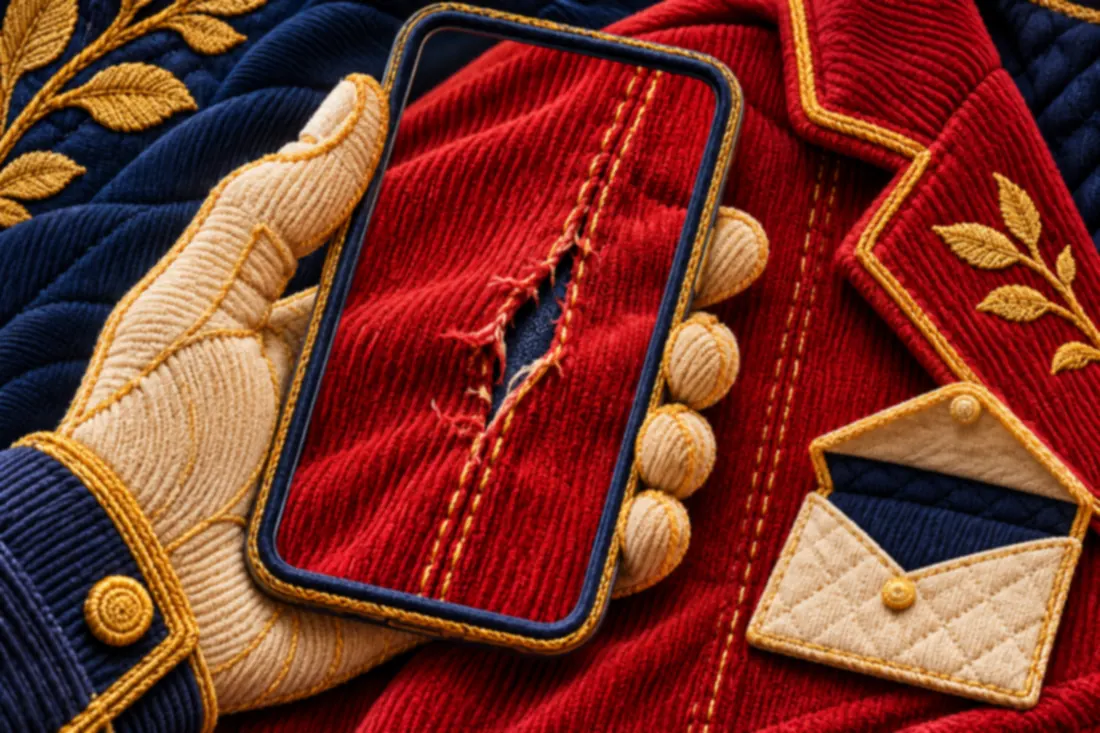

Use the answer to decide which promise the page can make.
Check what the repair promise requires
Working note for Mossbutton: Operations must confirm which repairs are eligible and whether photo review is enough to quote. Keep the acceptance promise out of the page until those questions are answered.
These are teaching images made for the lesson, not documentary evidence.
A softer adjective can't settle whether the service accepts a particular repair. Until operations answers, change "Book your perfect repair" to "Request a repair estimate." The new button asks for the step the reader can actually take.
Third pass: rebuild the order for a scanning reader
Read the headings and button labels on their own. Nielsen Norman Group's online-reading research describes scanning patterns shaped by layout and task. Those readers need useful labels, while fuller explanations should remain available for closer reading.
For Mossbutton, move the no-obligation condition alongside the estimate request. Put the pickup area next to the pickup option. Replace "Our approach" with "What happens after you send a photo" so the heading identifies a question the section answers.
Use landing-page anatomy to check for missing sections before you settle the order. The outline should now take a reader from the estimate invitation to the process, with the relevant conditions visible before submission.

Fourth pass: make the sentences say what they mean
Now check who acts and what they do. "An assessment will be undertaken" leaves the actor hidden. "We'll check your photo" lets the reader picture the service's next step.
Read the new line aloud. Does "We'll check it" mean the photo or the garment? Keep "photo" if that word prevents a false expectation; writing clear copy covers these wording choices in more detail.
Line edits with a reason
Do
- Name the actor: We check your photo.
- Name the object: Upload a photo of the damaged area.
- Keep a limit: Pickup is available in Brook Ward and West Ferry.
Avoid
- Remove every repeated noun if doing so makes pronouns ambiguous.
- Replace an unfamiliar exact term with a familiar but inaccurate one.
- Cut a condition simply because the sentence becomes shorter without it.
As you simplify, compare each revision with the brief again. Replacing "estimate" with "price" could imply certainty the business doesn't yet offer. Cutting the location condition could make pickup appear available everywhere.
Fifth pass: restore a human voice
Copyhackers recommends focused editing sweeps. The order used here is our editorial adaptation: check the whole-page argument and evidence before working closely on wording. You can adjust the passes to the problems in your draft.
Choose two voice qualities, such as warm and practical, and edit for each. For warmth, replace the draft's general wardrobe slogan with a familiar reason to repair: "Keep wearing the jacket you keep reaching for." For practicality, follow it with the concrete photo request.
Check the warmer line against the brief: does it invite a photo without promising acceptance? The jacket wording also depends on the service accepting jackets for assessment.
Compare the finished passage with the brief
With jacket repairs confirmed as eligible, the opening could read:
Keep wearing the jacket you keep reaching for.
Send Mossbutton a photo of the damage. We'll check whether we can help. We may need to inspect the item before giving you a free estimate.
No repair starts until you approve the estimate. Pickup is available in Brook Ward and West Ferry; we'll confirm the options for your address.
Request a repair estimate.
Compare it with the original saved alongside it. Check each new factual detail against your evidence sheet, including the estimate charge. The revision remains an editorial judgment; a valid experiment would be needed to estimate its effect on behaviour.
Keep the pickup boundary during an edit
Drops the area limit
Send a photo and we'll arrange pickup.
Keeps the service boundary
Pickup is available in Brook Ward and West Ferry. We'll confirm the options for your address.
Compare the pickup invitation with the operating terms before approving the page.
Where should you proofread the copy?
Open the page in its final layout, including a narrow screen. Follow the estimate button and submit a test request. Check that the confirmation describes the process the page promised.
If the confirmation says "Your repair is booked," flag the mismatch with "Request a repair estimate." Ask operations to confirm the request status before changing the confirmation.
Ask a colleague what they expect after submitting, without explaining the answer first. Write down their account and investigate any mismatch.
Use the complete copywriting checklist for the wider publication audit. When the draft began with generated material, the AI copywriting review process helps organise the factual review.
Keep an annotated before-and-after
Choose one section of your own draft and keep its original next to the revised version. Record why you moved the main condition and which evidence allowed a claim to stay. Use this comparison when revising work from Frameworks.
For Mossbutton, annotate "Book your perfect repair" beside "Request a repair estimate": the new button names the step available before inspection. Beside "We'll check whether we can help," note that acceptance remains undecided. The revised passage invites assessment without promising a repair.
Read next
Lesson 2 of 6 in Frameworks
Sources & further reading
- The 3-part conversion copywriting process for newbies
- How People Read Online: New and Old Findings
- FTC Policy Statement Regarding Advertising Substantiation
- Autobiography of Benjamin Franklin