A connected area of the library
Psychology
Write with a better understanding of people.
People bring expectations, uncertainty, and past experience to every message. Explore how attention, awareness, and motivation affect decisions, with careful distinctions between evidence and interpretation.

Follow the lessons

The Psychology of Copywriting: Why People Buy
Use psychology to investigate a buying decision, connect a promise to evidence, and make the next step understandable.
8 min read · beginner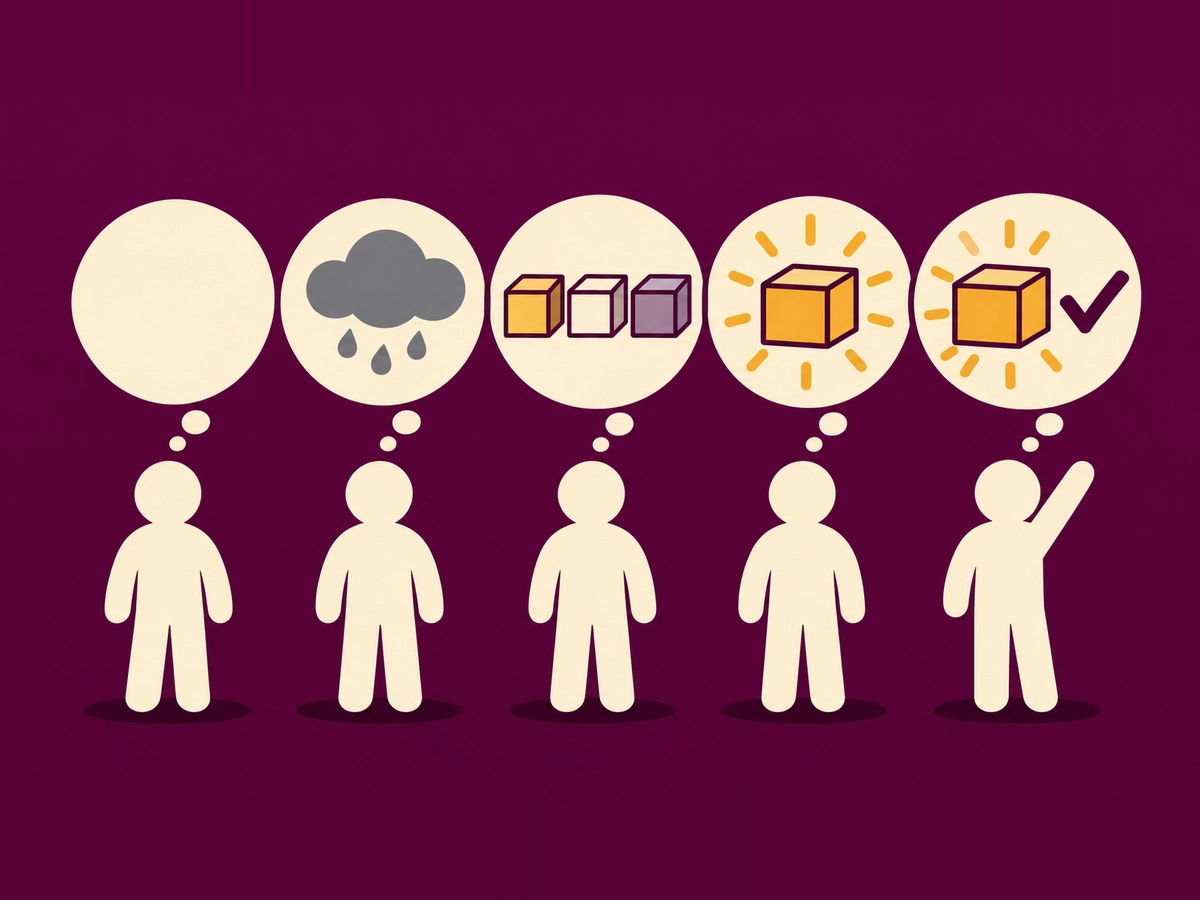
The 5 Levels of Customer Awareness
Write a different opening for each starting point, from recognizing a problem to inspecting an offer the reader already wants.
9 min read · beginner
Market Sophistication
When familiar promises stop distinguishing an offer, inspect the claims, mechanisms, and alternatives your audience has already encountered.
9 min read · intermediate
Persuasion Principles and Cognitive Biases
Distinguish social influence from judgment shortcuts, then use both ideas to review what a page helps the reader understand.
8 min read · intermediate
The Psychology of Social Proof
Social proof answers one question: what do people like me do here? When your number or your crowd gives the wrong answer, the proof works against you.
10 min read · intermediate
Scarcity and Urgency Without the Tricks
A deadline can be a kindness when it's real and a con when it isn't. Here's how to tell the difference, and how to write the honest version so it still moves people.
10 min read · intermediate
Loss Aversion, Risk Reversal and Guarantees
Buyers don't only weigh what they'll get. They weigh what might go wrong. Learn what the evidence supports and how to write a remedy for the specific risk a buyer faces.
11 min read · intermediate