Positioning
USP vs. Value Proposition vs. Positioning
Positioning establishes the competitive context and best-fit audience. A value proposition explains the value of choosing an offer. A USP emphasizes a distinctive reason to buy that the seller can credibly support. Use the distinction to diagnose the brief, and check claimed uniqueness separately from whether a product benefit is real and relevant.
By the end of this lesson
Distinguish positioning, a value proposition and a USP, and draft the appropriate output without confusing a useful benefit with substantiated uniqueness.
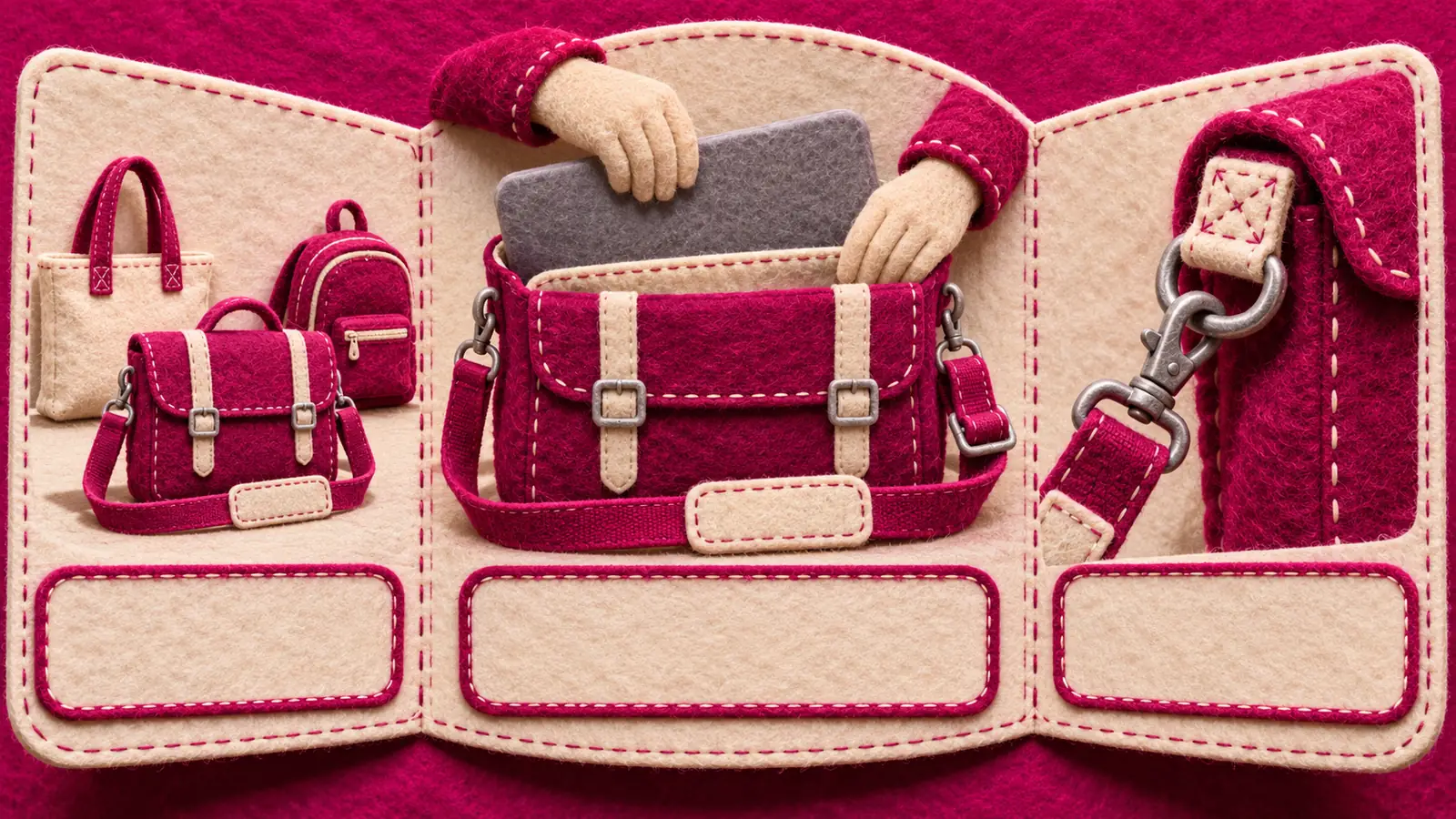
At Copperkite's sample table on Monday morning, Nikolai opens a request for a homepage headline by Wednesday. A commuter bag lies beside his laptop with its strap detached. The founder's comment on the brief says, "We need a USP."
Nikolai and Copperkite are invented for this lesson. The bag has individually replaceable straps and a base panel, with a published parts catalog. Those assumed product facts give him something to show; the brief still hasn't established a difference from competing bags.
You might receive the same overlapping requests. Positioning helps you decide which buyers and alternatives to consider. A value proposition explains why the offer matters to those buyers; a USP requires a distinctive reason to choose it.
Nikolai needs to agree on the deliverable before drafting: a headline for Wednesday's page or a competitive claim that requires further research.
What is the difference between positioning, a value proposition, and a USP?
These are working distinctions for this library; practitioners sometimes use the terms differently. Ask what decision the requested work should resolve before agreeing on its label.
| Term | Decision it helps make | An output |
|---|---|---|
| Positioning | What context makes the product's value understandable to the right customer? | An internal brief covering audience, alternatives, capabilities, value and category |
| Value proposition | Why should this customer consider the offer? | A clear statement of value, supported by explanation and evidence |
| USP | What distinctive reason to buy can this seller credibly emphasize? | A specific, relevant claim with a defensible difference |
The positioning quickstart in our sources separates positioning from messaging and taglines. CXL's guide uses "unique value proposition" to emphasize differentiation. If your client uses that term, check whether they expect evidence of a competitive difference as well as a clear benefit.
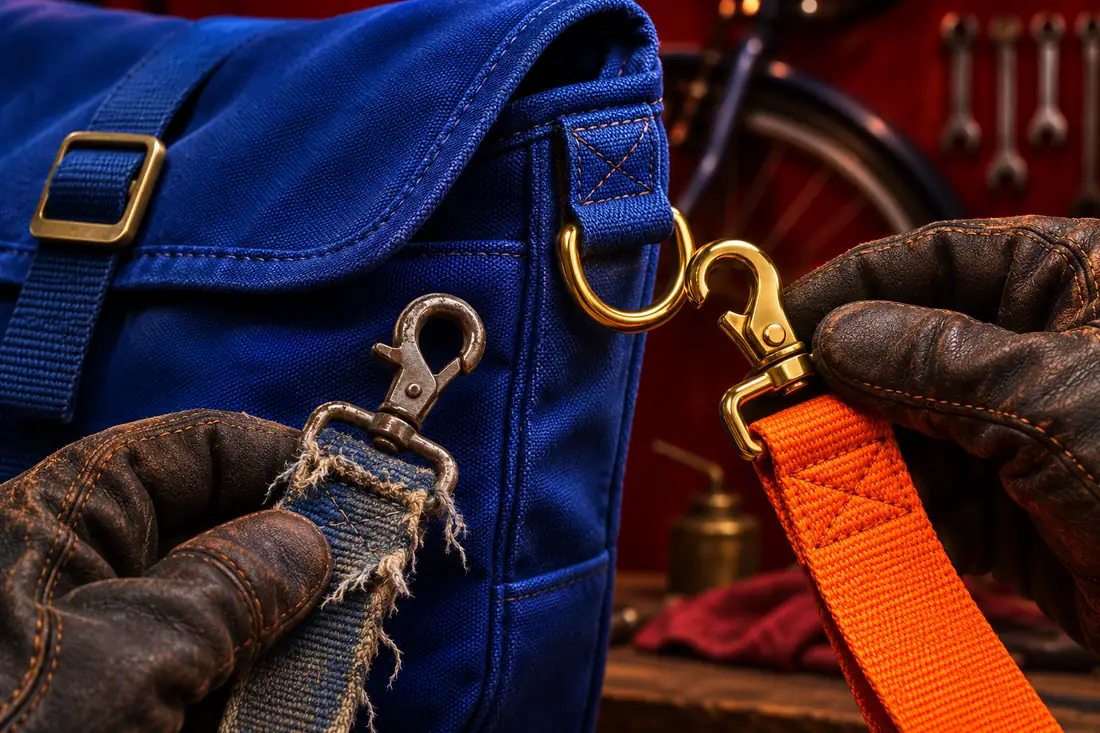

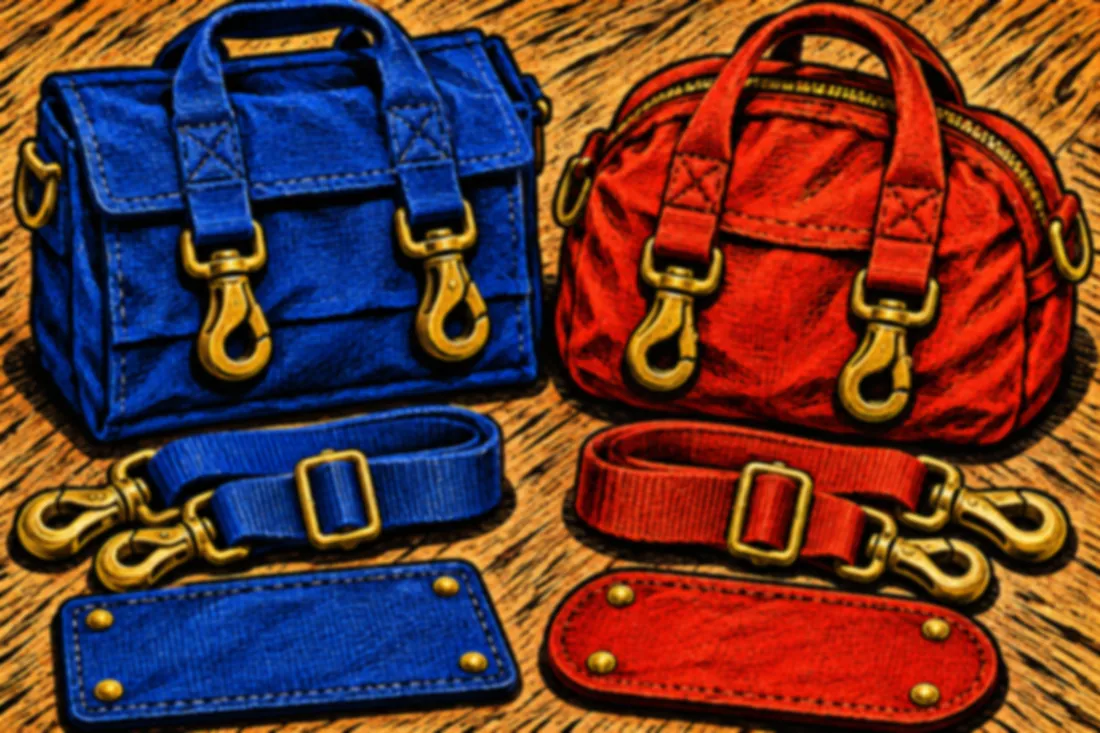

Keep a dated copy of the records behind a proposed comparative claim.
A parts catalog shows the parts exist
Ask the team for two records: the current parts catalog and a comparison of the alternatives buyers consider. A catalog entry can establish which part is sold separately. Use the comparison to investigate whether that access differs from the relevant alternatives.
Nikolai asks whether the founder wants an exclusive market claim or a clearer explanation of the replaceable parts. You can ask that question before commissioning competitive research. The answer determines whether the missing work is evidence of a difference or an explanation of an existing capability.
The USP has an advertising history
The Creative Hall of Fame biography associates Rosser Reeves with the unique selling proposition and his book Reality in Advertising, a business best-seller in 1961. It describes a USP as focusing advertising on a unique and compelling reason to buy.
That history explains the founder's request for one buying reason. For Copperkite, the open question is whether access to replacement parts sets the bag apart in its actual market.
Watch all three work on one product
Suppose Nikolai's brief identifies the buyer as a year-round bicycle commuter who wants to keep using the bag when a high-wear part fails. That audience choice needs customer evidence in a real brief. Here, it lets us work through the product facts we assumed at the sample table.
The positioning brief might say: "Repairable commuter bags for frequent bicycle riders who otherwise buy another general-purpose backpack when wear makes repair inconvenient." Nikolai can use that choice to investigate whether replacement is the alternative those riders actually consider.
It also raises questions the team has to answer. Which repairs do buyers actually attempt? Does a parts catalog remove the obstacle that stops them?
A value proposition might become: "Keep your commuter bag in service with straps and a base panel you can replace individually." Show the replacement process beside it. In a real product review, you'd need to check compatibility and the conditions under which replacing a part allows continued use.
Questions to send back with the brief
Positioning brief
- Ask riders what they did when their previous bag wore out.
- Check whether buying another backpack is the relevant alternative.
Value proposition
- Inspect the strap and base replacement process.
- Confirm compatible parts are available under the stated terms.
Potential USP
- Compare parts access with the alternatives riders actually consider.
- Ask who will maintain any ongoing parts commitment.
Then the founder proposes a USP: "The only commuter bag with replaceable parts." Nikolai checks it against the catalog.
Nothing in the facts supports "only." The catalog shows that Copperkite sells parts, and it can't tell anyone what competitors sell.
Before publishing "only," Nikolai would need a defined set of alternatives and current evidence about their parts access. Assign someone to recheck that comparison. A rival's new parts policy could change whether the homepage claim remains accurate.
For a positive USP example, suppose a separate, hypothetical comparison finds that neither of the other two bags on a buyer's shortlist offers replacement straps and base panels sold separately.
That would support: "Replacement straps and base panels, sold separately. Only Copperkite offers both among these three shortlisted bags." Its difference is defensible within that comparison; the wording would need to identify the bags and the comparison date beside it.
Copperkite's brief contains no such comparison.
Nikolai proposes "Replace the worn strap. Keep the bag." as the value-proposition headline for Wednesday. The founder agrees that explaining the demonstrated capability is this page's deliverable; a USP will require a separate comparison brief.
A tagline carries a different burden
The founder also proposes "Made for the miles ahead." As a brand line, it leaves the replaceable parts unexplained. Nikolai keeps the product explanation next to it so you can judge what a first-time visitor would learn from the opening screen.
"Removable base panel" identifies a component. "Replace the worn base without replacing the bag" explains a consequence, subject to the bag's condition and compatibility. Check those limits before deciding whether the base panel deserves the lead.
Hypothetical lines with different jobs
Category line
Repairable bags for everyday bike commutes.
Gives a visitor a product category and use case.
Value statement
Replace a worn strap or base panel and keep carrying the same bag.
Connects part replacement to continued use, subject to actual condition and compatibility.
Brand line
Made for the miles ahead.
Adds a brand expression and can't explain the product by itself.
Show more
Unsupported draft
The only bag you'll ever need.
Makes an absolute promise the example's product facts can't support.
Diagnose the disagreement before rewriting
Suppose buyers keep comparing Copperkite with luxury fashion bags. Nikolai would need to investigate why that category comes to mind. If the repairable-commuter category is understood, he can instead check whether the value of replacing parts is clear.
Some buyers may understand and value repairability, then point to a rival that sells parts too. The competitive buying reason is still open in that case. You'd need to learn more about those alternatives before approving an exclusive claim.
Disagreement inside the company often follows the same pattern. The product lead wants the base panel mentioned because it took months to develop. Sales wants a clearer reason to pay the price.
The founder wants a line broad enough to cover future luggage. Nikolai asks which products the Wednesday page will actually sell. That lets the team evaluate the current bag before deciding how a future range might be described.
Use product positioning to examine the buying context. The value proposition process helps develop the public explanation; a messaging hierarchy gives you somewhere to place the supporting details once the team agrees on their priority.
Turn the agreed brief into a page
Nikolai pairs the agreed headline with the value statement about replacing a strap or base panel. He gives the parts catalog a place beside that explanation so the reader can inspect what's available.
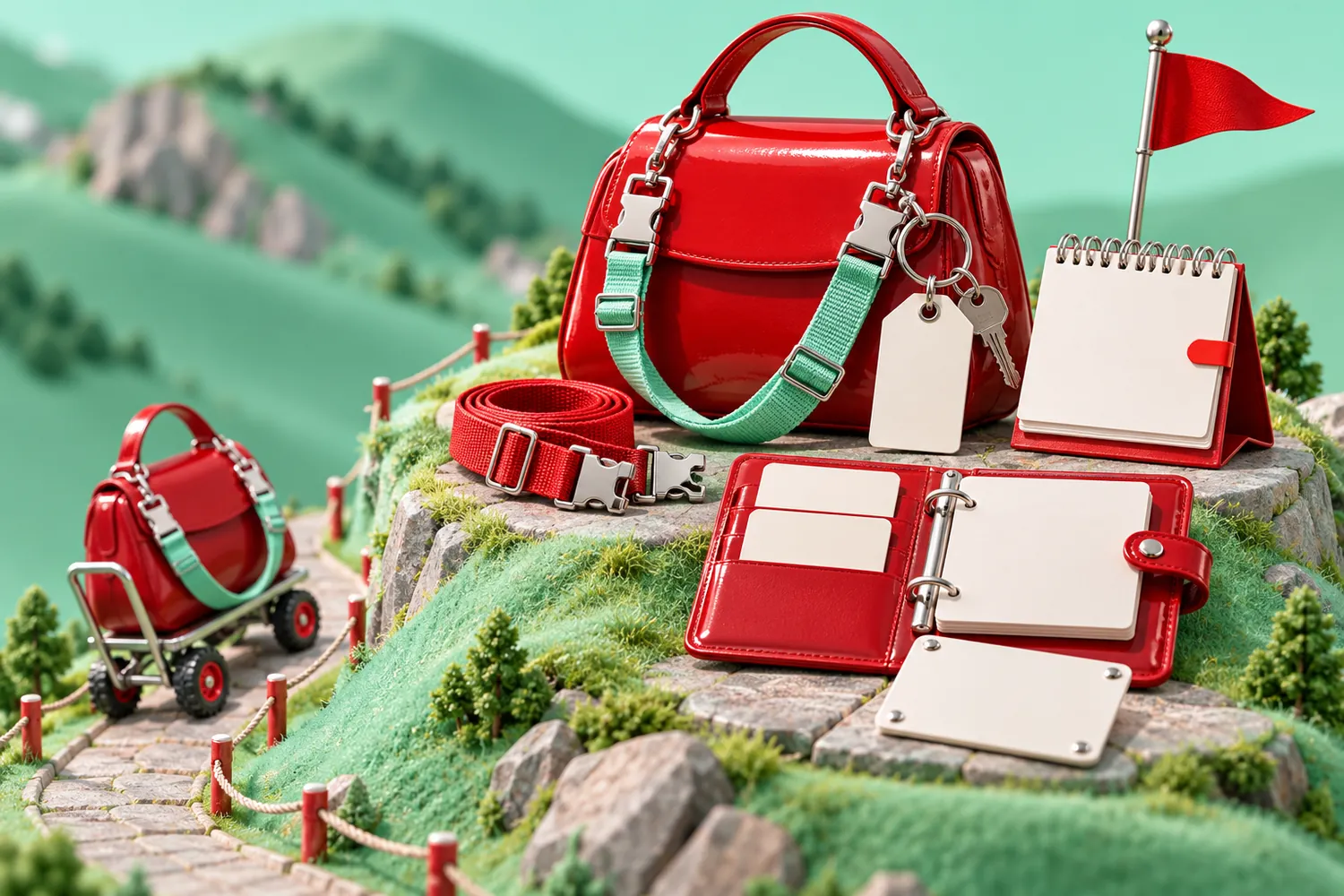
Check that a reader can reach the compatible replacement from the product page. If the team later commissions the USP comparison, give that work an owner and a review date.
Before approving the terminology in a brief
- The positioning describes an actual buying context and relevant alternatives.
- The value proposition names the value for a specific customer.
- The proposed USP has evidence for both its benefit and its claimed difference.
- The headline is readable public copy, even if the working brief uses a template.
- The team knows who must recheck comparative or exclusive claims.
Separate three messaging decisions
Make a brief for one product using the table above. Keep evidence of a relevant benefit separate from evidence of a competitive difference, and mark any missing research. Use Positioning when a finding needs more investigation.
Draft the public opening from the supported material. Circle absolute claims, then check whether the evidence covers their scope. Record whether the team has commissioned USP research or agreed to proceed with the supported value proposition.
Nikolai sends the agreed positioning brief and homepage opening for Wednesday. The USP row records the decision: "No exclusive claim for this page; compare parts access before developing a USP." The founder has the requested buying reason and knows what further work a competitive claim would require.
Read next

Lesson 3 of 6 in Positioning
Sources & further reading
- A Quickstart Guide to Positioning
- Unique Value Proposition: How to Create a UVP (With 7 Examples)
- Rosser Reeves