Landing Pages
Testimonials and Proof on Landing Pages
Testimonials support a landing-page claim when they describe a real customer's relevant experience. Keep the original account and its context, obtain permission for the intended use, and preserve meaningful conditions when editing. Place each item beside the doubt it answers, with relevant relationships disclosed, and use other evidence where a quote cannot establish the claim.
By the end of this lesson
Audit three page claims and prepare a proof record with source context, permission, relationship disclosures, limitations, and placement.

The page promises "effortless first delivery." The card under it has room for a customer's praise if you cut the opening clause.
We'll use Juniperbobbin, a bookkeeping service for illustrators, and a customer account, both invented for this exercise. The account reads: "After we corrected two categories together, I could use the report for my monthly review."
Keep your cursor off Delete: those two corrected categories tell the reader what happened before the report could serve its purpose. Keep the original beside the draft card.
Start with the claim that needs support
Before trimming an account to fit, establish whose experience it describes, what the customer actually had to do, and whether it supports the promise above it.
For a claim about accurate totals, ask how the service checks its work. The FTC's small-business advertising guide makes advertisers responsible for evidence supporting their claims, including the impressions created by the whole page.
Match the proof to the question
Reader question
- What will I receive?
- What is the working relationship like?
- Who reviews the work?
Material that answers it
- A sample report labeled as a demonstration
- A customer's description of working through a correction, with permission to publish
- The business's confirmed checking process and reviewers' verified qualifications
In these planning examples, each kind of evidence covers only part of the case.
How do you ask customers for a specific testimonial?
Ask about an actual episode. For the report account, try: "What did you and the service each have to do to correct the categories?" The answer can help you explain the work involved before promising an effortless delivery.
In this invented follow-up, the illustrator opens the report beside receipts and points out rent listed under supplies and printing listed under travel. The bookkeeper moves both entries, sends a revised report and asks the illustrator to check them. The illustrator checks the categories before beginning the monthly review.
A request such as "Tell us how much you loved our stress-free service" pressures the answer toward the compliment you've already chosen. Give the customer room to describe what was difficult.
Ask about the person's relationship to the business too: "Have you worked for us, or received anything in connection with this review?" Save the answer with the original account so the layout editor can find it.
The author's identity is part of the evidence. In its complaint against Sunday Riley Skincare, the FTC reproduced the instruction "Choose their name, city, skin type." It alleged that managers, including CEO Sunday Riley, posted Sephora reviews through fake accounts and asked employees to do the same.
Those accounts concealed the reviewers' connection to the company, according to the FTC. A final consent order approved on November 6, 2020, barred misrepresenting reviewers as independent and required disclosure of material connections.
Ask separately for publication permission, specifying the intended placement and identification. Keep the card marked "permission pending" until you've saved the agreement, including any restriction on photographs or logos.
Before the card can be published
What if the customer agrees to the words but declines a photograph?
Use only the words and identification they've agreed to. Leave the photograph out of the design.
What belongs beside the proposed excerpt?
The next editor should be able to find the original reply and the customer's agreed use from this card.
Edit for reading without changing the experience
In the Juniperbobbin exercise, the correction happened before the customer could use the report. Keep that order visible when shortening the account.
Read the proposed excerpt under the live headline. "I could use the report..." beneath "effortless first delivery" suggests an experience smoother than the source describes. Both cuts below stop before "for my monthly review"; only one preserves the work required first.
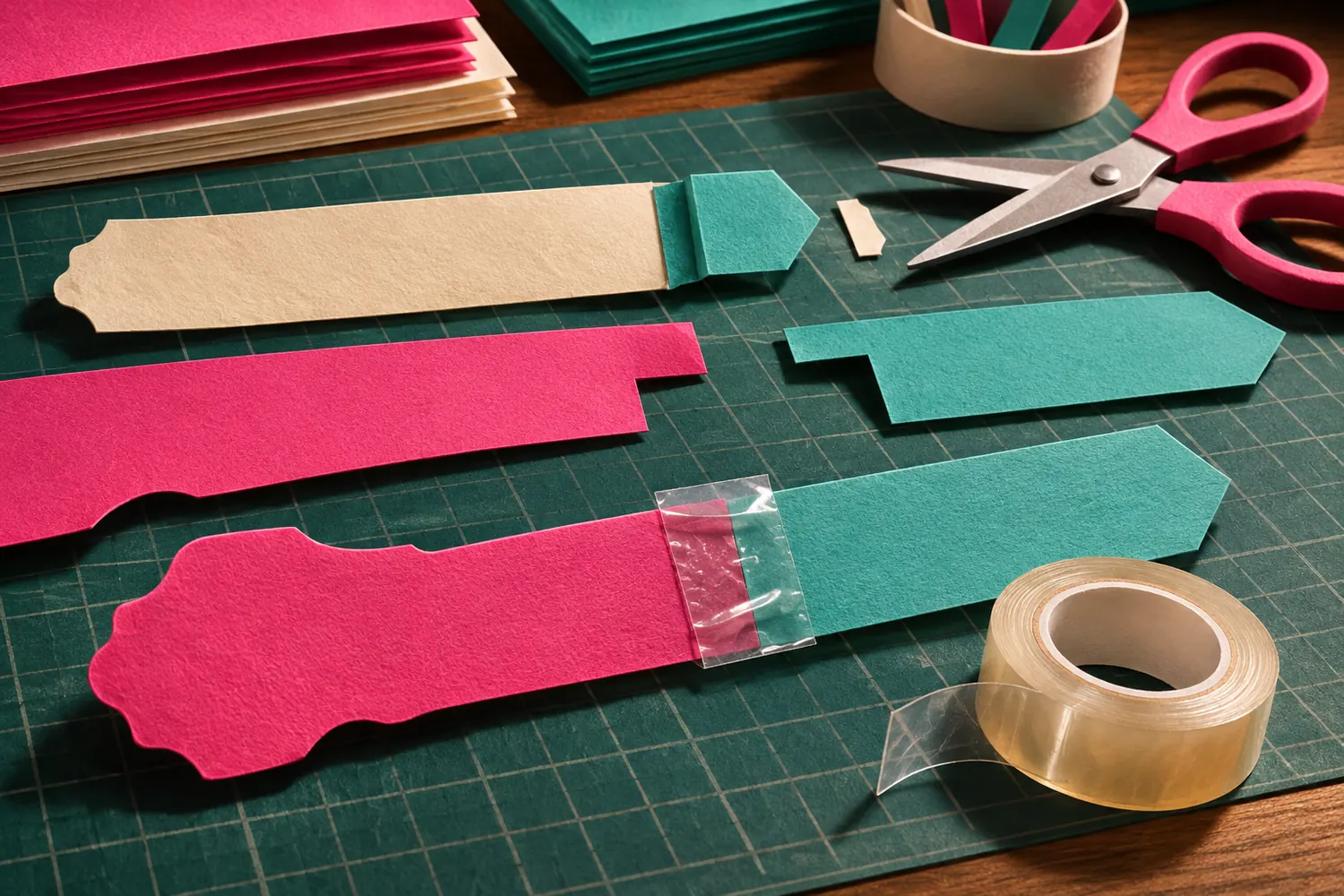
Keep qualifications that affect the meaning. If you've summarized in your own words, label the summary and leave off quotation marks. Ask the customer to approve a faithful excerpt for the intended use.
Keep the clause that changes the experience
Meaning lost
I could use the report...
Condition retained
After we corrected two categories together, I could use the report...
Give the condition enough space in the card, and check the surrounding promise.
The correction belongs in the card because it changes the experience the reader is being asked to judge.
Check the photograph next to the card too. If it appears to identify the reviewer, confirm that it depicts that person and that you have permission for this use. An unrelated portrait can create a false identity around otherwise accurate words.
A genuine customer outcome can also imply more than your evidence supports. If an exceptional result looks representative, the FTC's endorsement guidance addresses substantiation and disclosure of generally expected results. A generic "results not typical" label doesn't supply that information.
For the practice card, replace "effortless first delivery" with "Working through report corrections together." Ask the service to confirm who handles a correction. The heading then introduces the experience the account describes.
Make relationships and limitations visible
Return to the hidden connection in the Sunday Riley allegations. If your proposed card came from an employee, would a reader know that from the published version? A name and a flattering sentence can leave that question unanswered.
When an unexpected relationship could affect how readers weigh an endorsement, disclose it clearly. A contractor's job title may leave the connection unclear; explain the relationship where readers encounter the account.
If a review involved an incentive, record what was offered. Under the U.S. consumer-review rule, a business can't condition an incentive on the review expressing positive or negative sentiment.
Neutral incentives aren't automatically prohibited by that provision; disclosure and other requirements still need review. These FTC references concern U.S. advertising.
A plausible name or generated portrait cannot turn a fabricated experience into customer evidence. If you're waiting for a genuine account, leave the testimonial slot empty and answer the reader's question with a labeled sample.
Put each piece next to the doubt it answers
For the correction account, show how a customer requests a change and who handles it. Put the supported excerpt alongside that process, with enough room for its qualification.
If the reader wants to inspect the report itself, show a sample. Label fictional transaction data as a demonstration so the sample's purpose is clear.
A demonstration can answer a format question while you're waiting for publishable customer accounts. It gives you no evidence of customer satisfaction, so keep the claim within what the sample shows.





Send the finished layout to the person reviewing this use.
Inspect the contractor's card on your phone
At phone width, can you read the working-relationship disclosure without opening another panel? Adjust its position if it has slipped away from the quotation.
Keep the relationship disclosure close enough to read with the quotation on a phone.
Use Landing Page Anatomy to place the account next to the relevant delivery steps. Read the surrounding promises with How to Write Benefit Sections open, checking whether another heading still implies a correction-free first report.
A proof record that can survive a redesign
Date the source
Record when the email arrived and which version of the service it describes.
Store the agreed use
Save the customer's publication agreement and any restrictions in the source record.
Keep the reviewed layout
Save the card and surrounding headline that the reviewer cleared.
Name an owner
Record who will revisit this account if the correction process changes.
Maintain the section after publication
Suppose Juniperbobbin changes how corrections are handled. Revisit the old account's placement alongside today's process and check what a new customer would expect from the combination.
After a redesign, compare the published card with the reviewed layout. Confirm that the customer's agreement covers its current use and that any relationship disclosure remains readable.
If inquiries suggest readers expect a report needing no corrections, investigate what creates that expectation. Handling Objections on Landing Pages can help you decide which doubts need a direct explanation.
Finish a card that agrees with its source
Choose three claims from your page and make a source record for each. Include the agreed use and any limits on what the evidence establishes. Use the Landing Pages lessons to check the surrounding promises before settling the layout.
To complete the Juniperbobbin exercise, suppose the customer approves the full sentence and agrees to identification as an illustrator. They have no other relationship requiring disclosure, and the service confirms that it handles corrections with the customer. The card can now read:
Working through report corrections together
"After we corrected two categories together, I could use the report for my monthly review."
Illustrator, Juniperbobbin customer
The original account stays open beside the card. The designer makes the box taller, leaving the two corrected categories in view.
Read next

Lesson 5 of 9 in Landing Pages
Sources & further reading
- Advertising FAQ's: A Guide for Small Business
- FTC's Endorsement Guides: What People Are Asking
- The Consumer Reviews and Testimonials Rule: Questions and Answers
- FTC Approves Final Consent Agreement with Sunday Riley Modern Skincare, LLC