Research
How to Find Customer Desires and Desired Outcomes
Finding customer desires means describing what people want their situation to look like after a problem is addressed. Ask about real episodes and the actions they took toward that outcome. Record constraints and tradeoffs, then connect the desired scene to what your product can actually contribute before turning it into a promise.
By the end of this lesson
Write an outcome card covering the desired scene, functional, emotional and social dimensions, tradeoffs, evidence, and a bounded copy candidate.

Milkshakes were leaving a fast-food restaurant early in the morning, bought to go by commuters. They had a long, boring drive ahead and wanted something to keep them busy on it and to hold off hunger until noon.
"Until noon" is the detail I'd underline in your notes. It gives you a point beyond the purchase to ask about: what happened between leaving the counter and getting hungry again?
Harvard Business School reported Clayton Christensen's research in 2011. A researcher watched one of the chain's restaurants for a full day and found that about 40 percent of its milkshakes were bought this way.
Describe a scene after the problem
Follow the buyer out of the door. Where are they going, and what do they want to be different by the time they get there? For these commuters, the answer runs through the drive and into the late morning.
Buying breakfast and reaching noon without hunger are different endpoints. Let the person set the one that matters: "What would still need to happen before you could call that sorted?" Keep that unfinished work in the account.
The jobs-to-be-done framework describes the progress people want to make in particular circumstances. The commute is the circumstance here. Without it, a milkshake bought early in the morning looks like an odd choice.
On your card, write "morning drive" beside the desired outcome. If a later interview describes a weekend treat, start a separate card. Otherwise the same word, milkshake, can make two different jobs look interchangeable.
The same research found a second occasion: a treat for children. Buying the same product can serve a different desired scene. Keep the two occasions apart when you decide which desire a page should speak to.
What are functional, emotional, and social outcomes?
Holding off hunger is a functional outcome, the practical result. Making a dull drive more bearable is closer to how the commute feels. The published account describes both wishes.
Leave the social line empty unless a buyer supplies an account that belongs there. The Christensen Institute splits a job into functional, emotional and social dimensions. Use them as prompts while you listen, and fill in only the ones the customer gives you.
Prompts for the gaps in a customer's story
- Functional: what did you need the purchase to help you do?
- Emotional: how did you hope to feel during that occasion?
- Social: did anyone else's reaction matter to your choice?
Ask the prompt that fits, and leave a dimension blank when the person gives no evidence for it.
If someone tells you a purchase made them feel prepared, ask what happened that morning. Let their story define "prepared" before you build copy on the word.
If the buyer describes wanting breakfast to last until lunch, keep those words in the record. Before changing them to "feel in control of my day," ask what they were trying to accomplish on that particular morning.
Ask for evidence of wanting
The commuters' purchase is something they did, at a time and place you can ask about. That beats any answer to "Would you like a more interesting commute?"
GOV.UK's interview guidance recommends open questions about real experiences. Ask about the last drive to work and what the person bought before setting off. Then stay on the moment they picked one option over another.
The voice-of-customer lesson shows you how to keep their words beside that occasion. Separate the observed purchase from your interpretation: buying a milkshake before work supports a question about that drive. Ask what happened afterwards before treating the purchase as evidence that the outcome was achieved.
Recover the conditions of a desirable outcome
"Until noon" and "long, boring" are conditions. Strip them out and you're left with "wants a snack," which could describe anyone at any hour.
Ask, "What else did you consider buying for that drive?" Follow with, "What made you leave that option behind?"
The published account names a bagel and a doughnut as the alternatives, and says the milkshake was tidier and kept hunger away longer. Your own buyers' tradeoffs still need their own answers.
Keep each remark next to the occasion it describes. A choice made on a quiet weekend may have different constraints from one made on a rushed weekday.
An outcome card for the commuter occasion
- 1Situation: a long, boring morning commute.
- 2Experience wanted: something to keep them busy on the drive.
- 3Practical outcome: no hunger until noon.
- 4What they did: bought a milkshake to go.
- 5Open question: what else did you consider for that drive?
- 6Copy limit: nothing here supports a claim about how long a drink keeps anyone full.
Pin this card beside the draft and use its open question to plan the next interview. Add the answer to the same occasion's record so the tradeoff stays attached to the purchase.
Do not treat desires as inverted complaints
"The drive is boring" could justify almost any offer. The purchase shows you what these commuters reached for on that occasion. Ask what they wanted the drive to be like before you write a line about escaping boredom.
The pain-points lesson helps you examine the difficulty itself. The objections lesson covers what can rule out an option someone already likes. Keep the desired scene on its own card so the complaint doesn't write your promise for you.
Compare "escape a boring commute" with "something to keep me occupied on the drive." The second stays close to the reported wish. Before drafting the first, ask what escaping would mean and whether a drink could contribute to it.
Rank outcomes without holding an applause contest
The children's treat goes on its own card. Blend it with the commute and you'd get copy that suits neither buyer. Decide which occasion this page serves before you rank anything.
Start with purchase relevance: did the desired outcome affect what someone chose or rejected? The commuter account connects a wish to a purchase and names alternatives. A card that says only "a better morning" still needs an episode showing what the buyer did about it.
Look for the same outcome in independent accounts from the audience this page serves. Retellings of the milkshake study still count as one account. Its 40 percent figure comes from one restaurant on one day; it can't rank demand in your market.
Then check product capability. Does your offer have a supported way to contribute to the outcome? For the commuter, evidence that people want to stay full until noon leaves a separate question: what evidence shows your product can help with that?
If independent commuter accounts connect that outcome to the choice, and your product can support it, investigate that occasion first. If the children's-treat accounts meet those conditions more clearly, start there. A more complete card alone doesn't establish stronger demand.
Where purchase relevance is clear and capability is plausible, make the missing evidence your next research question. If the product can't contribute, set that outcome aside for this offer even when customers describe it vividly.
Draft the after-state and its mechanism together
The commuter card helps you find an outcome without mistaking it for a product claim. Now carry a card through to copy for Lanternradish, an invented meal-planning service that lets you choose recipes and combines their ingredients into one shopping list. The cook and conversation are invented too.
After a late shift, the cook opens the fridge and finds the planned dinner's chickpeas missing. "I bought them on Sunday, then used them in yesterday's lunch," the cook says. "I want to start cooking without another trip to the shop."
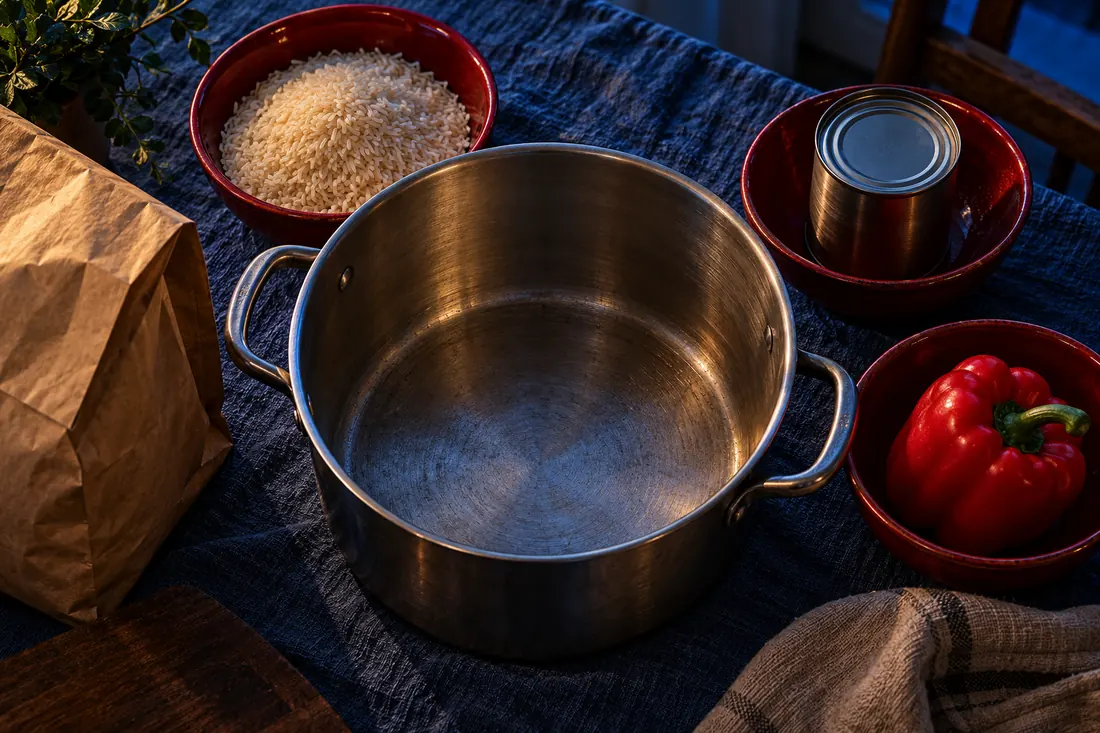



Put the service's contribution beside the desired scene.
Ask where the dinner job ends
A chosen meal and dinner on the table are different endpoints. Lanternradish helps with the choices and the list; the cook still has to keep ingredients available and prepare the meal.
Your draft says "dinner taken care of." The missing ingredient exposes the gap: the service writes a list, while the cook still has to keep the ingredients available. Record that boundary before choosing a promise:
| Outcome-card field | Lanternradish exercise |
|---|---|
| Desired scene | Start cooking after a late shift without another shopping trip. |
| Functional outcome | Have the ingredients for the chosen dinner available. |
| Emotional and social dimensions | Unconfirmed; ask rather than supply a motive. |
| Conditions and tradeoffs | Choose meals and shop beforehand; ingredients may be used for other meals. |
| Account evidence | The cook chose recipes, bought chickpeas and used them for lunch. |
| Product contribution | Recipe choices combined into one shopping list; no stock checking, shopping or cooking. |
The finished dinner pictured below is farther along than the part Lanternradish handles. Keep that distance visible when you draft the promise.
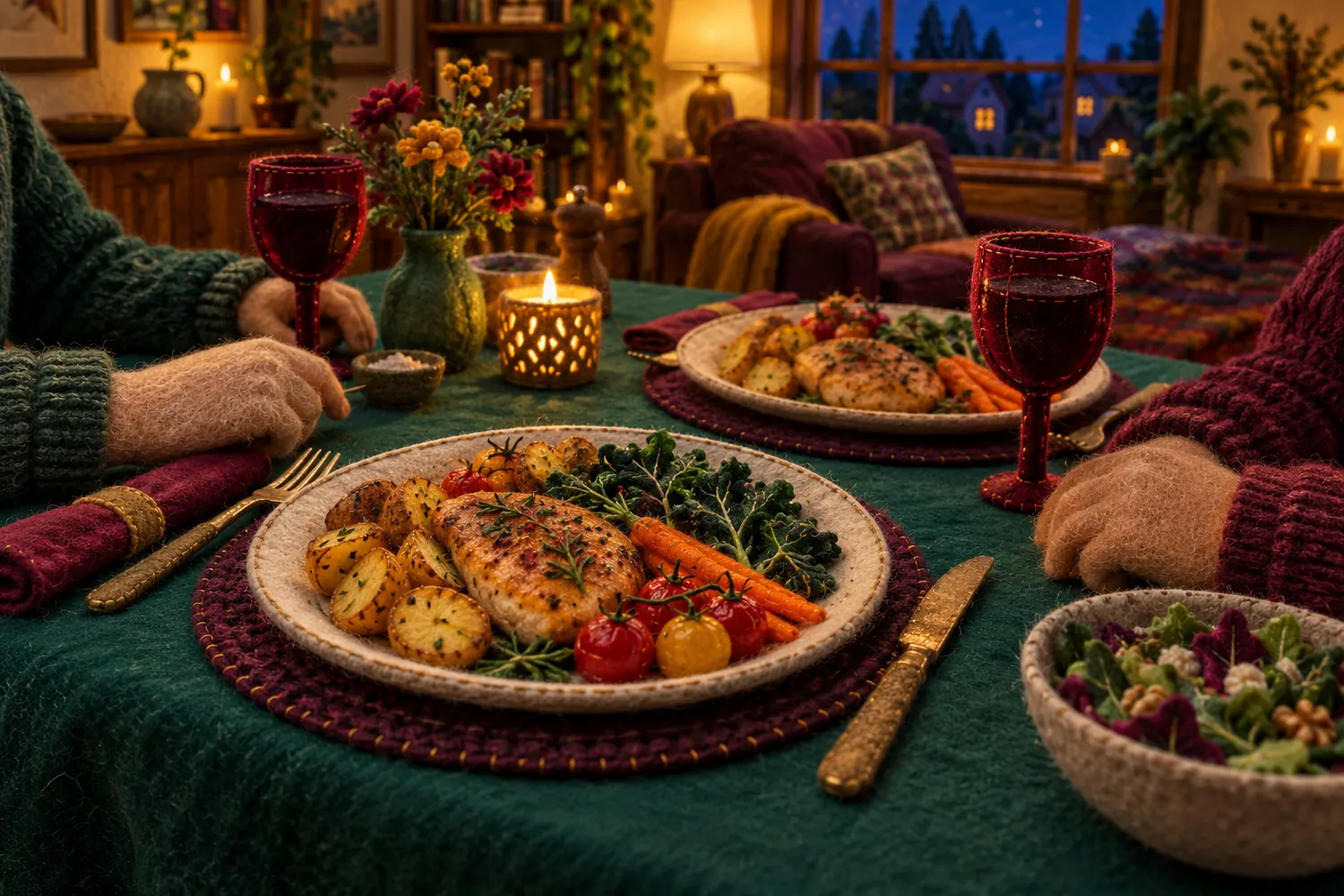
The research-to-copy lesson turns this step into a full page. Keep the product spec open while you draft, so every promised outcome points to something the service actually does.
Match the dinner promise to the service
Too much responsibility for one subscription
Never worry about dinner again.
The service lets the cook choose meals and creates a list. It can't keep the fridge stocked.
A supported contribution
Pick this week's dinners before the late shifts begin. Turn your choices into one shopping list.
Matches the two assumed features. The customer still shops and cooks.
Check each line against the spec to see which part of the evening the service can actually support.
The cook points to the chickpeas on the old list. They were listed and bought, so another list alone wouldn't have prevented this evening's problem. Keep the copy's promise at planning and preparation; the desire to avoid another trip remains a useful question for product research.
Follow the outcome past the purchase
Choose an outcome from your own material and complete the card through to a copy candidate. Include the customer's desired scene, the actions behind it, the unresolved dimensions and the part your offer can support. The Research collection has methods for filling the gaps.
For Lanternradish, the finished line is: "Pick this week's dinners before the late shifts begin. Turn your choices into one shopping list." Beside it, explain: "You check what you already have, then shop and cook."
The cook can now see where planning ends and the remaining work begins. Your finished card should make that boundary equally clear: underline the promised outcome and name the feature that supports it before handing the copy to a reviewer.
Read next
Lesson 5 of 8 in Research
Sources & further reading
- Clay Christensen's Milkshake Marketing
- Jobs to Be Done Theory
- Three Levels in the Architecture of a Job
- Using in-depth interviews